


Introduction
What Skin Type Means and Why It Matters
Your skin type refers to how your skin naturally behaves—how much oil it produces, how well it retains moisture, and how it reacts to products and environmental factors. Understanding your skin type is important because it determines what your skin needs to stay healthy, balanced, and comfortable. Using products that don’t match your skin type can lead to irritation, breakouts, or dryness.
How Knowing Your Skin Type Improves Skincare Results
When you know your skin type, you can choose products and routines that work with your skin instead of against it. This leads to:
- Better absorption of skincare products
- Fewer skin issues like acne, sensitivity, or flakiness
- More visible improvements in texture, tone, and overall appearance
A targeted approach helps maximize results while minimizing trial and error.
Overview of Topics Covered in This Guide
This guide will help you understand different skin types and how to care for them effectively. It covers:
- Identifying your skin type
- Daily skincare steps like cleansing, toning, moisturizing, and sun protection
- Targeted treatments and serums
- Skincare routines tailored for oily, dry, and other skin types
By the end of this guide, you’ll have the knowledge to build a skincare routine that supports healthy, glowing skin long-term.
Why Understanding Your Skin Type Is Important

Preventing Irritation, Breakouts, and Dryness
Using products that don’t suit your skin type can disrupt the skin barrier and trigger common issues like redness, acne, or excessive dryness. Understanding your skin type helps you:
- Avoid irritating ingredients that cause reactions
- Reduce breakouts by managing oil correctly
- Prevent dryness and flakiness by supporting hydration
When your routine aligns with your skin’s natural needs, your skin stays calmer and healthier.
Choosing the Right Products and Ingredients
Each skin type responds differently to ingredients. Knowing your skin type allows you to:
- Select formulas designed for your skin’s needs
- Avoid products that are too harsh or too heavy
- Focus on ingredients that improve balance, hydration, or oil control
This targeted approach minimizes trial and error and leads to better results over time.
Building an Effective Long-Term Skincare Routine
A successful skincare routine isn’t about quick fixes—it’s about consistency and compatibility. Understanding your skin type helps you:
- Create a routine you can maintain long-term
- Adjust products as your skin changes with age, climate, or lifestyle
- Support healthy skin function rather than constantly correcting problems
With the right knowledge, your skincare routine becomes a reliable system for maintaining clear, balanced, and resilient skin.
Overview of Common Skin Types
How Skin Types Are Classified
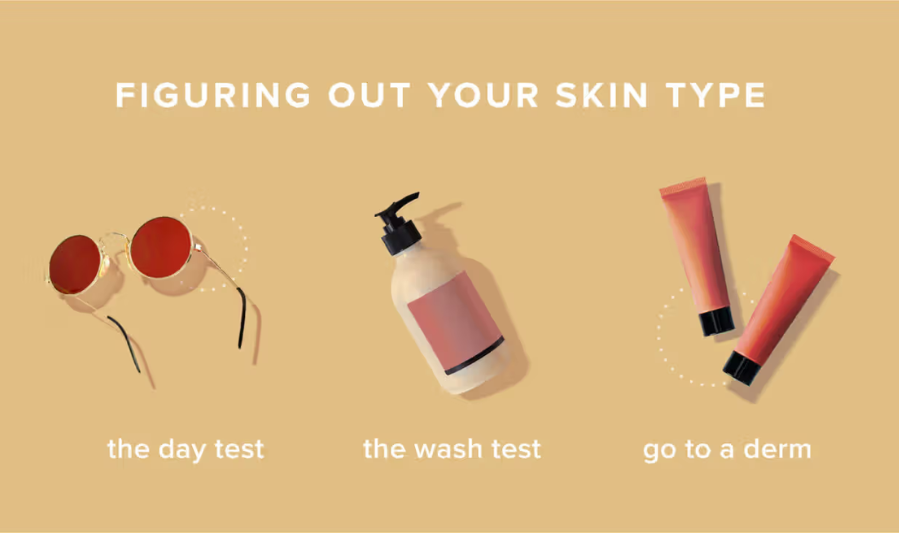
Skin types are classified based on how your skin naturally produces oil and retains moisture. These characteristics are largely influenced by genetics but can be affected by age, environment, and lifestyle. The most common skin types include:
- Normal skin – balanced oil and moisture levels
- Dry skin – produces less oil and often lacks moisture
- Oily skin – produces excess oil, leading to shine and enlarged pores
- Combination skin – a mix of oily and dry areas
- Sensitive skin – reacts easily to products or environmental factors
Understanding where your skin falls within these categories helps you choose products that support balance rather than disrupt it.
Difference Between Skin Type and Skin Condition
Skin Type
- A long-term, natural characteristic of your skin
- Determined mostly by genetics
- Remains relatively consistent over time
Skin Condition
- A temporary or changeable state of the skin
- Influenced by factors like weather, stress, hormones, or product use
- Examples include dehydration, acne, sensitivity, or irritation
Knowing the difference is important because while your skin type stays mostly the same, skin conditions can change and require adjustments in your skincare routine.
Normal Skin
Key Characteristics
Normal skin is considered well-balanced and generally easy to maintain. Its key features include:
- Balanced oil and moisture levels
- Smooth, even texture
- Minimal sensitivity or redness
- Small, barely visible pores
Common Concerns
Although normal skin is low-maintenance, it can still experience issues such as:
- Occasional breakouts due to stress or hormones
- Dehydration from weather or lack of moisture
- Early signs of aging if not properly protected
Ideal Skincare Routine and Maintenance Tips
Cleansing
- Use a gentle, non-stripping cleanser twice daily to maintain balance.
Toning
- Apply a hydrating or balancing toner to support the skin’s natural pH.
Serums
- Choose lightweight serums with antioxidants or hydration boosters to maintain glow.
Moisturizing
- Use a light to medium-weight moisturizer to keep skin hydrated without heaviness.
Sun Protection
- Apply SPF 30 or higher daily to prevent premature aging and sun damage.
Maintenance Tips
- Avoid harsh products that can disrupt balance
- Stay consistent with your routine
- Adjust products seasonally based on climate and skin needs
With proper care, normal skin can remain healthy, radiant, and resilient, requiring simple consistency rather than corrective treatments.
Dry Skin
Signs and Symptoms
Dry skin is identified by a lack of natural oils and moisture. Common signs include:
- Tight or uncomfortable feeling, especially after cleansing
- Rough or flaky texture
- Dull appearance
- Increased sensitivity or irritation
- Fine lines appearing more noticeable due to dehydration
Causes of Dry Skin
Environmental Factors
Cold weather, low humidity, excessive sun exposure, and indoor heating can strip moisture from the skin.
Age
As we age, the skin naturally produces less oil, making dryness more common.
Genetics
Some people are genetically predisposed to naturally dry skin regardless of environment or routine.
Best Skincare Practices
Gentle Cleansing
- Use cream-based or hydrating cleansers
- Avoid over-cleansing, which can worsen dryness
Consistent Moisturizing
- Apply moisturizer twice daily, especially on slightly damp skin
- Use richer creams at night to support repair
Sun Protection
- Apply hydrating sunscreen daily to prevent further moisture loss
Extra Care
- Incorporate hydrating serums and occasional nourishing masks
- Avoid harsh exfoliation
Ingredients to Look For and Avoid
Ingredients to Look For
- Hyaluronic acid – boosts hydration
- Ceramides – repair and strengthen the skin barrier
- Shea butter – deeply nourishes
- Glycerin – attracts moisture
Ingredients to Avoid
- Alcohol-based products
- Harsh soaps and sulfates
- Strong fragrances that may irritate dry skin
With the right approach, dry skin can remain comfortable, smooth, and radiant, supported by hydration-focused and barrier-strengthening care.
Oily Skin
How Excess Oil Affects Skin
Oily skin produces excess sebum, which can:
- Create a shiny or greasy appearance, especially in the T-zone
- Lead to enlarged pores as oil stretches pore walls
- Increase the risk of blackheads, whiteheads, and acne
- Cause makeup to break down more quickly
While oil helps protect the skin, too much can disrupt balance and lead to breakouts.
Causes of Oily Skin
Genetics
Overactive sebaceous glands are often inherited, making oiliness a natural skin type.
Hormonal Changes
Hormonal fluctuations during puberty, menstruation, pregnancy, or stress can increase oil production.
Skincare and Lifestyle Habits
Using harsh cleansers, skipping moisturizer, or over-washing can trigger rebound oil production. Diet, climate, and stress also play a role.
Skincare Routine for Oil Control
Cleansing
- Cleanse twice daily with a gentle gel or foaming cleanser
- Avoid scrubbing or harsh soaps
Toning
- Use a balancing, alcohol-free toner to refine pores and control oil
Treatments and Serums
- Apply lightweight serums with oil-regulating ingredients
- Use exfoliating acids sparingly to prevent clogged pores
Moisturizing
- Choose oil-free, gel-based moisturizers to maintain hydration without shine
Sun Protection
- Apply non-comedogenic, matte-finish sunscreen daily
Recommended Ingredients and Products
Ingredients to Look For
- Salicylic acid – unclogs pores and reduces breakouts
- Niacinamide – controls oil and minimizes pore appearance
- Tea tree – antibacterial and soothing
- Hyaluronic acid – hydrates without adding oil
Products to Avoid
- Heavy creams or occlusive oils
- Alcohol-heavy formulas that strip the skin
With consistent care, oily skin can remain balanced, clear, and healthy, controlling shine without compromising hydration.
You may also like to read these posts:
Breaking Latest Technology News from Around the World
Top Beginner Tech Tutorials for Learning Technology Fast
Complete Step-by-Step Tool Guide for Beginners
Best AI Productivity Tools for Beginners and Professionals
Clean & Pure Face Moisturizer for Smooth, Healthy Glow
Skincare Tips for Dry Skin: How to Keep Your Skin Hydrated and Glowing
Combination Skin
Identifying Combination Skin
Combination skin is characterized by both oily and dry areas on the face. Common signs include:
- An oily T-zone (forehead, nose, and chin)
- Normal to dry cheeks
- Enlarged pores and shine in some areas, with tightness or flakiness in others
This skin type may change with seasons, hormones, or lifestyle factors.
Common Challenges
Managing combination skin can be tricky due to its mixed needs, including:
- Excess oil and breakouts in the T-zone
- Dryness or sensitivity on the cheeks
- Difficulty finding products that work well for the entire face
Balancing a Skincare Routine
The key to caring for combination skin is balance—addressing oiliness without drying out other areas.
Cleansing
- Use a gentle, balanced cleanser that doesn’t strip moisture or increase oiliness
Toning
- Choose an alcohol-free, balancing toner to support skin’s pH
Treatments and Serums
- Apply lightweight serums overall
- Use targeted treatments only where needed
Moisturizing
- Opt for a lightweight moisturizer suitable for the whole face or layer different textures
Sun Protection
- Use a non-greasy sunscreen that won’t clog pores
Zone-Specific Care Tips
T-Zone (Oily Areas)
- Use oil-controlling ingredients like niacinamide or salicylic acid
- Blot excess oil instead of over-cleansing
Cheeks (Dry Areas)
- Apply richer moisturizer or hydrating serums
- Avoid harsh exfoliation
With thoughtful, targeted care, combination skin can stay balanced, comfortable, and healthy, without over-treating any one area.
Faqs:
Can my skin type change over time?
Yes. Skin type can change due to age, hormones, climate, and lifestyle habits. Regularly reassessing your skin helps maintain the right routine.
Is it possible to have more than one skin type?
Yes. Combination skin is very common, where some areas (like the T-zone) are oily while others (like the cheeks) are dry.
How can I accurately identify my skin type?
Use methods like the bare-face test or blotting paper test, and observe your skin’s texture, oiliness, and sensitivity over time.
Do all skin types need moisturizer?
Absolutely. Every skin type needs hydration, even oily skin, but the type and texture of moisturizer may vary.
Why is sunscreen important for all skin types?
Sunscreen protects against UV damage, premature aging, and discoloration, no matter your skin type or tone.
Conclusion
Understanding your skin type is the first step to achieving healthy, balanced, and glowing skin. By identifying whether your skin is dry, oily, combination, sensitive, or normal, you can choose the right products, avoid common mistakes, and build a routine that works for you.
Remember, skin changes over time, so listen to your skin, adjust your routine when needed, and focus on consistent care. With the right knowledge and approach, every skin type can look radiant, nourished, and well-protected.