
Introduction
Understanding Skin Aging
Natural Changes Over Time
Skin aging is a gradual process influenced by factors such as genetics, lifestyle, sun exposure, and environmental stressors. Over time, the skin’s ability to produce collagen and retain moisture declines, leading to fine lines, wrinkles, and loss of elasticity.
Growing Demand for Organic Skincare
A Shift Toward Safer, Cleaner Beauty
As consumers become more conscious of what they apply to their skin, organic skincare has gained popularity. Many people now seek products made with naturally sourced, chemical-free ingredients that support skin health while minimizing potential long-term risks.
Importance of Choosing Natural Anti-Aging Solutions
Supporting Skin Health the Gentle Way
Natural anti-aging solutions focus on nourishing the skin, enhancing its natural repair processes, and protecting it from premature aging. By choosing organic and plant-based products, individuals can address signs of aging effectively while maintaining skin balance, safety, and overall well-being.
What Are Organic Anti-Aging Creams?
Definition of Organic Skincare
Formulated with Certified Natural Ingredients
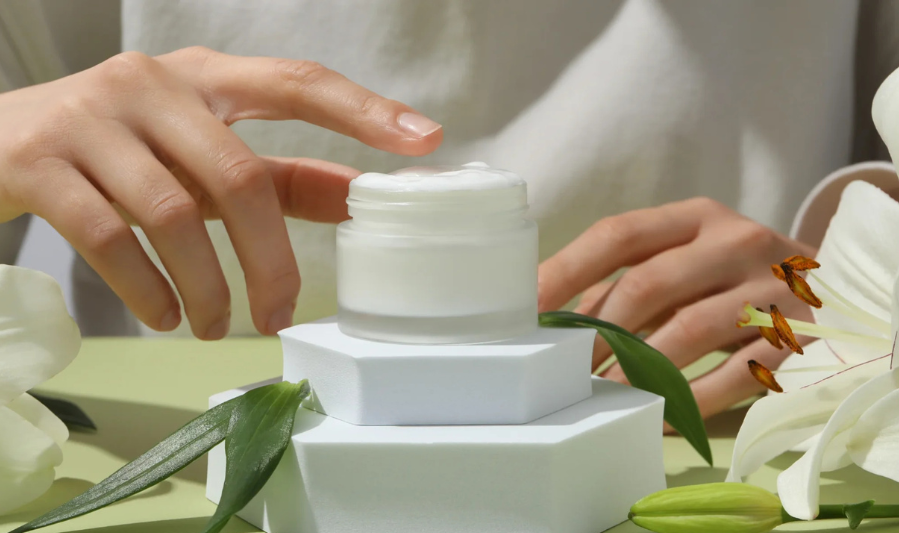
Organic skincare refers to products made using ingredients grown without synthetic pesticides, chemical fertilizers, genetically modified organisms (GMOs), or harmful additives. Organic anti-aging creams rely on plant-based ingredients that support skin health while minimizing exposure to potentially irritating or toxic substances.
Difference Between Organic, Natural, and Conventional Anti-Aging Creams
Understanding the Key Distinctions
Although these terms are often used interchangeably, they represent different approaches to skincare:
- Organic anti-aging creams contain a high percentage of certified organic ingredients and follow strict farming, processing, and labeling standards.
- Natural anti-aging creams use ingredients derived from nature but may still include non-organic or minimally processed components.
- Conventional anti-aging creams often rely on synthetic ingredients, preservatives, fragrances, and fillers designed for longer shelf life or immediate cosmetic effects.
Organic formulations prioritize long-term skin health over quick, short-term results.
Importance of Certified Organic Ingredients
Ensuring Purity, Safety, and Effectiveness
Certified organic ingredients provide assurance that the product meets established standards for quality and safety. Certification helps prevent exposure to harmful chemicals, supports environmentally sustainable farming, and ensures ingredient traceability. For anti-aging skincare, this means nourishing the skin with pure, potent ingredients that promote repair, hydration, and protection naturally.
How Aging Affects the Skin

Loss of Collagen and Elasticity
Structural Changes Beneath the Surface
As the skin ages, collagen and elastin production gradually declines. These proteins are responsible for maintaining firmness and elasticity. Their reduction causes the skin to become thinner, less resilient, and more prone to sagging over time.
Fine Lines, Wrinkles, and Dryness
Visible Signs of Aging
Decreased cell turnover and reduced natural oil production lead to common aging concerns such as fine lines, wrinkles, and dryness. The skin’s ability to retain moisture weakens, resulting in a duller texture and less smooth appearance.
Impact of Environmental Factors and Lifestyle
Accelerators of Premature Aging
External factors such as sun exposure, pollution, smoking, stress, and poor nutrition can accelerate the aging process. UV radiation, in particular, breaks down collagen and contributes to pigmentation and wrinkles. Healthy lifestyle choices combined with protective skincare can help slow these effects and support long-term skin health.
Benefits of Using Organic Anti-Aging Creams
Gentle and Chemical-Free Formulation
Kind to Skin and Safe for Daily Use
Organic anti-aging creams are formulated without harsh chemicals, synthetic fragrances, or artificial preservatives. This makes them gentler on the skin, reducing the risk of irritation and making them suitable for long-term, daily use—even for sensitive or mature skin.
Deep Hydration and Nourishment
Feeding the Skin with Natural Actives
Rich in plant oils, botanical extracts, and natural humectants, organic creams provide deep, lasting hydration. These ingredients help replenish moisture levels, restore the skin barrier, and keep the skin plump and well-nourished.
Improved Firmness and Skin Texture
Supporting Natural Repair Processes
Organic anti-aging ingredients such as plant antioxidants and essential fatty acids help stimulate skin renewal and improve elasticity. With consistent use, skin appears firmer, smoother, and more refined in texture.
Long-Term Skin Health and Glow
Aging Gracefully, the Natural Way
Rather than offering quick cosmetic fixes, organic anti-aging creams focus on strengthening the skin over time. By protecting against environmental damage and supporting natural regeneration, they promote healthy, radiant skin with a natural glow that lasts.
Harmful Ingredients to Avoid in Anti-Aging Products
Parabens
Preservatives Linked to Hormonal Concerns
Parabens are commonly used to extend the shelf life of skincare products. However, they have been associated with hormonal disruption due to their ability to mimic estrogen. In anti-aging products, long-term exposure to parabens may negatively affect skin health, making them best avoided in favor of safer alternatives.
Sulfates
Harsh Cleansing and Foaming Agents
Sulfates such as sodium lauryl sulfate (SLS) and sodium laureth sulfate (SLES) are strong detergents used for cleansing and foaming. They can strip the skin of natural oils, leading to dryness and irritation—especially problematic for aging skin that already struggles with moisture retention.
Synthetic Fragrances
Hidden Irritants and Allergens
Synthetic fragrances often contain a mixture of undisclosed chemicals that can cause irritation, redness, or allergic reactions. Aging and sensitive skin is particularly vulnerable, which is why organic anti-aging products typically use fragrance-free formulas or naturally derived scents instead.
Phthalates and Harsh Preservatives
Chemicals That Compromise Skin Health
Phthalates are commonly used to stabilize fragrances, while harsh preservatives may disrupt the skin barrier and cause sensitivity over time. These ingredients have been linked to various health concerns and can weaken aging skin, making clean, organic formulations a safer choice.
Key Organic Ingredients to Look For
Aloe Vera and Shea Butter
Deep Hydration and Soothing Care
Aloe vera helps calm irritation, reduce inflammation, and provide lightweight hydration while supporting skin repair.
Shea butter is rich in essential fatty acids and vitamins that deeply nourish the skin, improve elasticity, and protect against moisture loss, making it ideal for mature or dry skin.
Argan Oil, Jojoba Oil, and Rosehip Oil
Nourishing Oils for Repair and Balance
Argan oil is packed with antioxidants and fatty acids that improve skin elasticity, smooth fine lines, and enhance overall softness.
Jojoba oil closely resembles the skin’s natural sebum, helping balance moisture levels and strengthen the skin barrier without clogging pores.
Rosehip oil is rich in vitamins A and C, supporting collagen production, reducing the appearance of wrinkles, and improving skin tone and texture.
Vitamin E and Vitamin C
Powerful Vitamins for Anti-Aging Support
Vitamin E protects the skin from free radical damage, supports barrier repair, and enhances hydration.
Vitamin C boosts collagen production, brightens the complexion, and helps reduce the appearance of fine lines and uneven skin tone.
Antioxidant-Rich Plant Extracts
Defense Against Premature Aging
Plant extracts such as green tea, calendula, pomegranate, and chamomile are rich in antioxidants that neutralize free radicals. These ingredients help protect the skin from environmental stressors, reduce inflammation, and promote a youthful, radiant appearance over time.
You may also like to read these posts:
Top Beginner Tech Tutorials for Learning Technology Fast
Complete Step-by-Step Tool Guide for Beginners
Best AI Productivity Tools for Beginners and Professionals
Clean & Pure Face Moisturizer for Smooth, Healthy Glow
Choosing the Right Organic Anti-Aging Cream
For Dry Skin
Rich, Hydrating Formulas
Dry skin benefits from creams with deeply nourishing ingredients like shea butter, aloe vera, and argan oil. Look for products with humectants such as glycerin or hyaluronic acid to lock in moisture and prevent flakiness, helping skin appear plump and soft.
For Sensitive Skin
Gentle, Soothing Formulas
Sensitive skin requires creams free from synthetic fragrances, harsh preservatives, or alcohols. Ingredients like chamomile, oat extract, and jojoba oil soothe irritation, reduce redness, and protect the skin barrier while addressing signs of aging.
For Combination or Oily Skin
Lightweight, Non-Comedogenic Options
Combination or oily skin types benefit from lighter creams or gel-cream formulations that provide hydration without clogging pores. Rosehip oil, aloe vera, and vitamin C are ideal ingredients for balancing oil, supporting collagen production, and minimizing fine lines.
Based on Age and Skin Concerns
Tailoring Anti-Aging Care to Your Needs
- Late 20s to early 30s: Focus on preventive care with antioxidants like vitamin C and light hydration to maintain elasticity and brightness.
- Mid 30s to 40s: Target early signs of aging such as fine lines with nourishing oils, peptides, and gentle exfoliating acids.
- 50s and above: Opt for richer, restorative creams with shea butter, argan oil, vitamin E, and hyaluronic acid to combat dryness, sagging, and loss of firmness.
Selecting an organic anti-aging cream that matches both your skin type and age-related concerns ensures effective, long-term results while keeping your skin healthy and radiant.
Faqs:
What is an organic anti-aging cream?
An organic anti-aging cream is a skincare product made with natural, plant-based ingredients that help reduce signs of aging like fine lines and wrinkles without harsh chemicals or synthetic additives.
Who should use organic anti-aging creams?
These creams are suitable for anyone looking to prevent or reduce signs of aging, especially those with sensitive or dry skin, and anyone who prefers chemical-free skincare.
How long does it take to see results?
Results vary depending on skin type and consistency, but with daily use, most people notice improved hydration, smoother texture, and a youthful glow within 4–6 weeks.
Can organic anti-aging creams be used on sensitive skin?
Yes! Since they avoid parabens, sulfates, and synthetic fragrances, organic creams are generally gentle and safe for sensitive or reactive skin.
Are organic anti-aging creams as effective as conventional creams?
Absolutely. While they use natural ingredients, organic creams are formulated to nourish, hydrate, and support collagen production, giving visible anti-aging benefits without harmful chemicals.
Conclusion
Choosing an organic anti-aging cream is a natural and safe way to care for your skin as it ages. With plant-based ingredients and antioxidants, these creams help reduce fine lines, improve elasticity, and deeply nourish the skin—without harsh chemicals. By making organic anti-aging skincare a part of your daily routine, you can maintain youthful, radiant, and healthy-looking skin for years to come