
Introduction
Importance of Skin Hydration
The Key to Healthy, Radiant Skin
Proper hydration is essential for maintaining smooth, supple, and resilient skin. Well-hydrated skin supports a strong barrier function, enhances elasticity, and helps prevent issues such as flakiness, irritation, and premature aging.
Common Causes of Dry and Dehydrated Skin
Internal and External Factors
Skin can become dry or dehydrated due to environmental factors like cold weather, low humidity, sun exposure, and pollution. Lifestyle habits such as inadequate water intake, poor diet, stress, and the use of harsh skincare products can also strip moisture from the skin.
How Hydrating Face Masks Fit into a Skincare Routine
Intensive Care for Moisture Boost
Hydrating face masks provide an extra layer of care by delivering concentrated moisture and soothing ingredients directly to the skin. Used weekly or as needed, they complement daily cleansing and moisturizing routines by restoring hydration, calming the skin, and enhancing overall skin health.
What Are Hydrating Face Masks?
Definition and Purpose
Targeted Moisture for Thirsty Skin
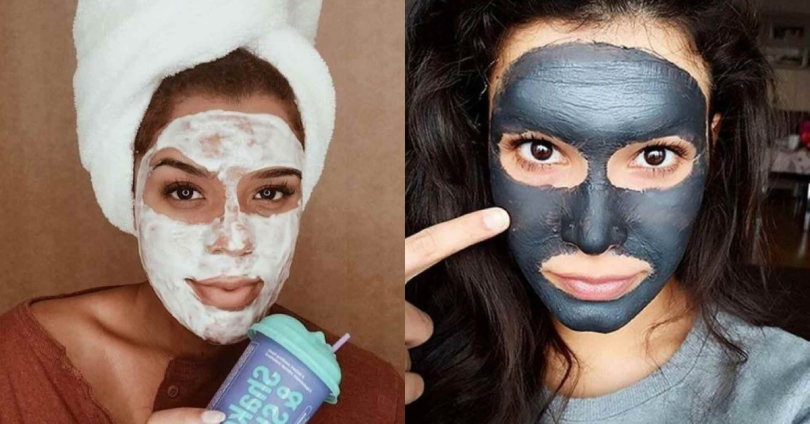
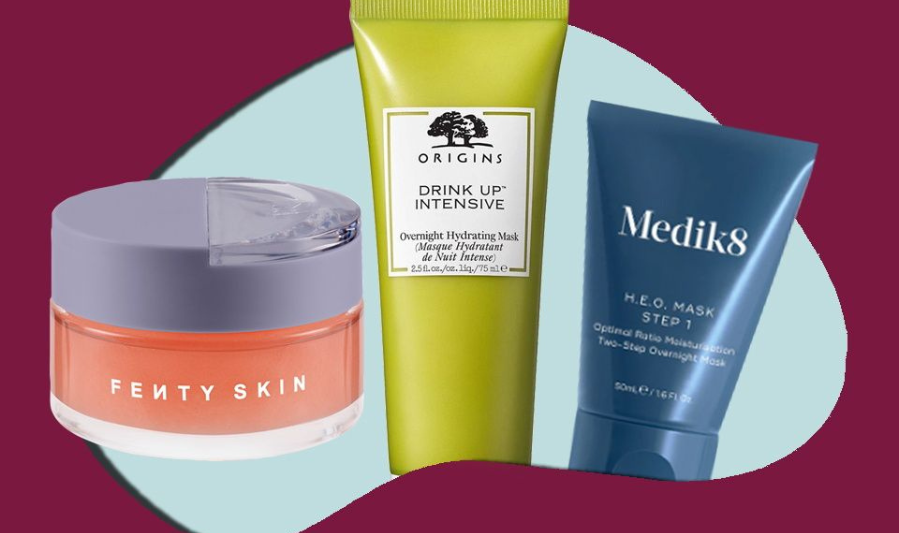
Hydrating face masks are skincare treatments designed to deliver intense moisture to the skin. Their primary purpose is to replenish lost hydration, soothe dryness, and restore the skin’s natural moisture balance, making them especially beneficial for dry or dehydrated skin.
How They Work on the Skin
Deep Moisture Delivery and Barrier Support
Hydrating masks work by infusing the skin with humectants and soothing ingredients that attract and retain water. They help strengthen the skin barrier, reduce moisture loss, and leave the skin feeling soft, plump, and refreshed after use.
Difference Between Hydrating and Nourishing Masks
Hydration vs. Nutrition
While often used interchangeably, these two mask types serve different functions:
- Hydrating masks focus on increasing the skin’s water content using ingredients like hyaluronic acid and aloe vera.
- Nourishing masks deliver oils, vitamins, and lipids that feed the skin and repair the barrier.
Hydrating masks are ideal for dehydrated skin, while nourishing masks benefit dry or compromised skin that lacks both moisture and oils.
Benefits of Using Hydrating Face Masks
Instant Moisture Boost
Quick Relief for Dehydrated Skin
Hydrating face masks deliver an immediate surge of moisture to the skin. This helps relieve dryness and discomfort quickly, making them ideal for stressed, tired, or weather-exposed skin.
Improved Skin Softness and Elasticity
Restoring Bounce and Comfort
By replenishing water levels, hydrating masks improve skin softness and enhance elasticity. Well-hydrated skin feels more flexible, looks plumper, and is less prone to fine lines caused by dehydration.
Reduction in Dryness, Tightness, and Flakiness
Calming and Comforting Care
Regular use of hydrating masks helps soothe tightness, reduce flakiness, and calm irritation. They support the skin barrier, allowing the skin to retain moisture more effectively over time.
Enhanced Skin Glow and Smooth Texture
A Refreshed, Radiant Appearance
Hydrated skin reflects light better, resulting in a natural glow. Hydrating face masks smooth rough patches, improve texture, and leave the complexion looking fresh, even, and revitalized.
Types of Hydrating Face Masks
Sheet Masks
Convenient, Quick Hydration
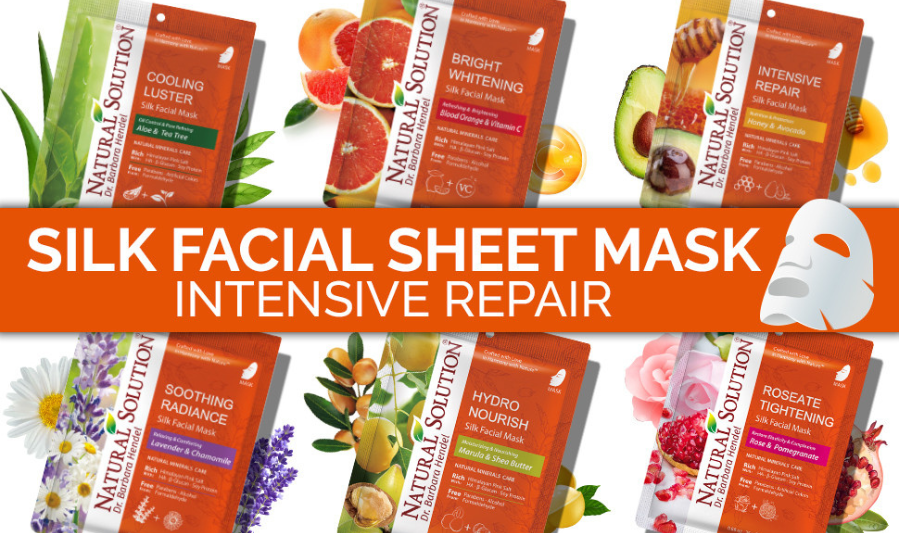
Sheet masks are single-use masks soaked in a serum or essence. They adhere closely to the skin, allowing active ingredients to penetrate efficiently. They provide an instant hydration boost and are great for travel or quick pick-me-up sessions.
Cream and Gel Masks
Targeted Moisture for Different Skin Types
- Cream masks: Rich and nourishing, ideal for dry or mature skin. They deeply hydrate and help restore softness and suppleness.
- Gel masks: Lightweight and refreshing, suitable for oily or combination skin. They provide hydration without heaviness and often have a cooling effect.
Overnight Sleeping Masks
Long-Lasting Hydration While You Sleep
Overnight masks are applied before bedtime and left on for several hours. They lock in moisture and support skin repair overnight, making skin plumper, smoother, and more radiant by morning.
Natural and DIY Hydrating Masks
Gentle, Ingredient-Focused Care
DIY masks use natural ingredients such as honey, yogurt, aloe vera, or avocado to hydrate and nourish the skin. They are ideal for those seeking clean, chemical-free options, but it’s important to patch-test to avoid irritation or allergic reactions.
Types of Hydrating Face Masks
Sheet Masks
Quick and Intensive Hydration
Sheet masks are pre-soaked in hydrating serums or essences and applied directly to the face. They provide an instant moisture boost by delivering active ingredients efficiently while preventing water loss. Ideal for a fast glow or on-the-go hydration.
Cream and Gel Masks
Deep Moisture for Various Skin Types
- Cream masks: Rich and nourishing, perfect for dry or mature skin. They restore softness, improve elasticity, and lock in hydration.
- Gel masks: Lightweight and refreshing, suitable for oily or combination skin. They hydrate without feeling heavy and can have a soothing, cooling effect.
Overnight Sleeping Masks
Hydration While You Sleep
Applied before bedtime, overnight masks seal in moisture and support skin repair throughout the night. They leave the skin plump, smooth, and radiant by morning, making them ideal for a weekly intensive treatment.
Natural and DIY Hydrating Masks
Gentle, Clean, and Customizable
DIY masks use natural ingredients like honey, yogurt, aloe vera, or avocado to hydrate and nourish the skin. They’re perfect for those seeking chemical-free, customizable options. Patch testing is recommended to avoid irritation or allergic reactions.
Key Hydrating Ingredients to Look For
Hyaluronic Acid
Deep Hydration and Plumping
Hyaluronic acid is a powerful humectant that attracts and retains water in the skin. It provides long-lasting hydration, smooths fine lines caused by dryness, and gives the skin a plump, supple appearance.
Aloe Vera
Soothing and Moisturizing
Aloe vera calms irritation, reduces redness, and replenishes moisture. It’s lightweight, making it suitable for all skin types, including sensitive and acne-prone skin, while supporting overall skin health.
Glycerin
Moisture Retention and Barrier Support
Glycerin draws water into the skin and helps maintain hydration levels. It also strengthens the skin’s natural barrier, preventing moisture loss and keeping the skin soft and resilient.
Honey
Natural Humectant and Skin Soother
Honey attracts and locks in moisture while providing antibacterial and antioxidant benefits. It soothes dry or irritated skin and leaves it soft, smooth, and nourished.
Shea Butter and Plant-Based Oils
Nourishment and Long-Lasting Hydration
Shea butter and oils like jojoba, argan, or avocado provide rich emollient care. They restore lipids, protect the skin barrier, and prevent moisture loss, making them ideal for dry or mature skin.
Ingredients to Avoid
Alcohol-Based Formulas
Can Strip Natural Moisture
Certain alcohols, especially denatured or drying alcohols, can remove essential oils from the skin. This leads to dryness, tightness, and irritation, counteracting the purpose of a hydrating mask.
Harsh Fragrances
Potential Irritants
Synthetic fragrances may trigger allergic reactions, redness, or irritation—especially in sensitive skin. Opt for fragrance-free or naturally scented masks to avoid unnecessary stress on the skin.
Sulfates and Parabens
Harsh Preservatives and Cleansers
Sulfates (like SLS/SLES) can strip the skin of hydration, while parabens are preservatives linked to potential hormonal concerns. Hydrating masks should avoid these chemicals to keep skin healthy and moisturized.
Ingredients That May Cause Irritation
Protecting Sensitive Skin
Some additives, including strong acids, essential oils in high concentrations, or harsh exfoliants, can irritate delicate skin when used in masks. Gentle, soothing ingredients are preferable for maintaining hydration and barrier health.
You may also like to read these posts:
Beginner Workout Plans: A Complete Guide to Start Your Fitness Journey
Breaking Latest Technology News from Around the World
Top Beginner Tech Tutorials for Learning Technology Fast
Complete Step-by-Step Tool Guide for Beginners
Best AI Productivity Tools for Beginners and Professionals
Clean & Pure Face Moisturizer for Smooth, Healthy Glow
Choosing the Right Hydrating Face Mask
For Dry Skin
Rich, Nourishing Formulas
Dry skin benefits from masks that contain shea butter, plant-based oils, honey, or glycerin. These ingredients deeply moisturize, restore softness, and lock in hydration, helping to reduce flakiness and tightness.
For Sensitive Skin
Gentle and Soothing Options
Sensitive skin requires calming, non-irritating masks. Look for masks with aloe vera, chamomile, calendula, or hyaluronic acid. Avoid harsh fragrances, sulfates, or alcohol-based formulas to prevent redness and irritation.
For Oily or Combination Skin
Lightweight, Non-Greasy Hydration
Gel-based or water-based masks work best for oily or combination skin. Ingredients like aloe vera, hyaluronic acid, and green tea extract provide hydration without clogging pores or adding heaviness.
For Dull or Tired Skin
Revitalizing and Brightening
Masks containing vitamin C, honey, or botanical extracts can boost hydration while revitalizing the complexion. These ingredients help restore radiance, smooth texture, and give a healthy, refreshed glow.
Faqs:
What is a hydrating face mask?
A hydrating face mask is a skincare treatment designed to deeply moisturize and nourish the skin, leaving it soft, plump, and refreshed.
Who should use hydrating face masks?
Anyone can use them, but they are especially helpful for dry, dehydrated, sensitive, or dull skin that needs an extra moisture boost.
How often should I use a hydrating face mask?
For most skin types, 1–2 times a week is ideal. Sensitive or very dry skin can benefit from slightly more frequent use, depending on the formula.
Can hydrating face masks be used on oily skin?
Yes! Lightweight, non-comedogenic hydrating masks can boost moisture without making the skin greasy, even for oily or combination skin.
How long should I leave a hydrating face mask on?
Most masks are designed to be left on for 10–20 minutes, or as instructed on the product packaging. Leaving it longer may not increase benefits and can sometimes irritate sensitive skin.
Conclusion
A hydrating face mask is an easy and effective way to restore moisture, improve skin texture, and bring back a healthy glow. By delivering deep hydration and nourishing ingredients, these masks help combat dryness, dullness, and tightness while keeping your skin soft and refreshed. Whether used weekly or as needed, hydrating face masks are a simple self-care step that supports smooth, radiant, and well-hydrated skin.