
Introduction
Overview of Skincare Today
A More Informed Approach to Skin Health
Skincare has evolved significantly in recent years, moving beyond simple cleansing routines to more intentional, ingredient-focused practices. Consumers today are more educated about skin health and actively seek products that align with their values and lifestyle.
Growing Demand for Clean Beauty
Transparency, Safety, and Sustainability
The clean beauty movement has gained momentum as people become more conscious of the ingredients in their skincare products. This demand emphasizes non-toxic formulations, ethical sourcing, and environmentally responsible production.
Importance of Moisturizers for Healthy Skin
Foundation of Every Skincare Routine
Moisturizers play a critical role in maintaining the skin’s natural barrier. They help lock in hydration, prevent moisture loss, and protect against environmental stressors. Suitable for all skin types, moisturizers support balanced, resilient, and healthy-looking skin.
What Does “Clean Beauty” Really Mean?
Definition of Clean Skincare
Focus on Safety and Transparency
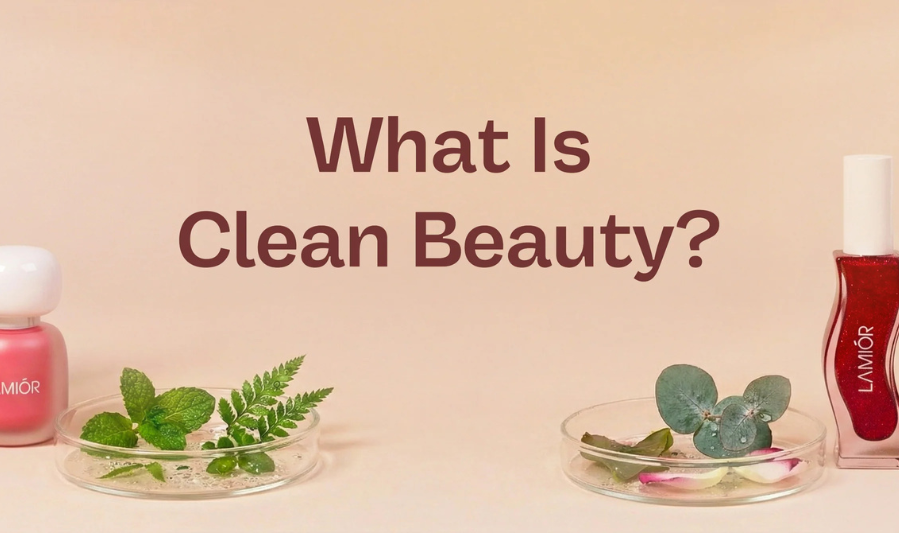
Clean skincare refers to products formulated without ingredients that are known or suspected to be harmful to human health. Rather than following a single universal standard, clean beauty emphasizes ingredient transparency, safety testing, and thoughtful formulation based on scientific evidence.
Clean vs. Natural vs. Organic Skincare
Understanding the Key Differences
Although often used interchangeably, clean, natural, and organic are not the same:
- Clean skincare focuses on ingredient safety and non-toxicity, regardless of whether ingredients are synthetic or natural.
- Natural skincare typically uses ingredients derived from plants or minerals but may still include allergens or irritants.
- Organic skincare contains ingredients grown without synthetic pesticides or fertilizers and is often certified by regulatory bodies.
Clean beauty prioritizes safety and performance over ingredient origin alone.
Common Misconceptions About Clean Products
Separating Myths from Facts
A common misconception is that clean products are less effective than traditional formulations. In reality, many clean skincare products are backed by scientific research and advanced formulation techniques. Another myth is that “clean” automatically means suitable for all skin types; however, even clean ingredients can cause reactions depending on individual sensitivities.
What Is a Clean Face Moisturizer?
Purpose of a Face Moisturizer
Supporting Hydration and Skin Barrier Function
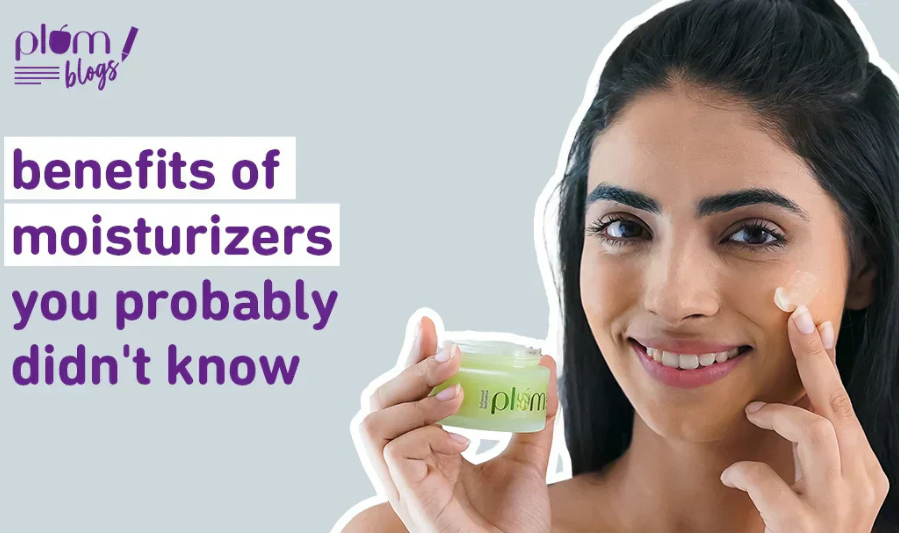
A face moisturizer is designed to hydrate the skin, lock in moisture, and strengthen the skin’s natural barrier. By preventing water loss and soothing the skin, moisturizers help maintain softness, elasticity, and overall skin health. Regular use can also protect the skin from environmental stressors such as pollution and climate changes.
How Clean Moisturizers Differ from Conventional Ones
Safer Formulations with Thoughtful Ingredients
Clean face moisturizers are formulated without ingredients that are commonly associated with irritation or long-term health concerns, such as certain parabens, sulfates, and synthetic fragrances. Unlike conventional moisturizers that may prioritize texture or shelf life, clean moisturizers focus on skin compatibility, safety, and performance while still delivering effective hydration.
Importance of Ingredient Transparency
Empowering Informed Skincare Choices
Ingredient transparency is a core principle of clean beauty. Clearly labeled formulations allow consumers to understand exactly what they are applying to their skin and why each ingredient is included. This transparency builds trust, supports informed decision-making, and helps individuals avoid ingredients that may trigger sensitivities or allergic reactions.
Harmful Ingredients to Avoid
Parabens
Potential Hormone Disruptors
Parabens are commonly used as preservatives to extend shelf life. However, they have been linked to hormone disruption due to their ability to mimic estrogen in the body. Many clean beauty products avoid parabens in favor of safer, alternative preservatives.
Sulfates
Harsh Cleansing Agents
Sulfates, such as sodium lauryl sulfate (SLS) and sodium laureth sulfate (SLES), are used to create foam and remove oil. While effective cleansers, they can strip the skin of its natural oils, leading to dryness, irritation, and compromised skin barriers—especially for sensitive skin types.
Synthetic Fragrances
Hidden Sources of Irritation
Synthetic fragrances are often made from a blend of undisclosed chemicals, which can trigger allergies, irritation, or sensitivity. Clean skincare brands typically opt for fragrance-free formulas or use naturally derived scents with full ingredient disclosure.
Phthalates
Chemicals Linked to Health Concerns
Phthalates are frequently used to help fragrances last longer. They have been associated with hormonal imbalances and reproductive health concerns. Because they are not always listed clearly on ingredient labels, clean beauty standards aim to eliminate phthalates altogether.
Alcohols That Dry Out the Skin
Disruptors of Skin Moisture Balance
Certain alcohols—such as denatured alcohol, ethanol, and isopropyl alcohol—are used to improve product texture or absorption. While they can feel lightweight, frequent use may dry out the skin and weaken the skin barrier. Clean moisturizers favor fatty alcohols or humectants that support hydration instead.
Choosing the Right Clean Moisturizer for Your Skin Type
Dry Skin
Focus on Deep Hydration
For dry skin, look for clean moisturizers that are rich in emollients and humectants such as hyaluronic acid, glycerin, and shea butter. These ingredients help lock in moisture and restore the skin barrier, leaving the skin soft and supple without irritation. Avoid formulas with high amounts of drying alcohols.
Oily Skin
Lightweight, Non-Comedogenic Options
Oily skin benefits from lightweight, water-based moisturizers that provide hydration without clogging pores. Ingredients like aloe vera, hyaluronic acid, and squalane help maintain moisture balance while controlling excess oil. Clean moisturizers labeled non-comedogenic are ideal for this skin type.
Sensitive Skin
Gentle and Calming Formulations
Sensitive skin requires moisturizers free from irritants like synthetic fragrances, harsh alcohols, and strong preservatives. Look for soothing ingredients such as chamomile, calendula, oat extract, or niacinamide. Patch testing new products is also recommended to avoid flare-ups.
Combination Skin
Balancing Hydration Where Needed
Combination skin benefits from formulas that hydrate dry areas while remaining lightweight in oil-prone zones. Gel-cream moisturizers or layering products (serum + lightweight moisturizer) can help balance hydration across different areas of the face without causing breakouts.
Acne-Prone Skin
Hydration Without Aggravating Breakouts
Even acne-prone skin needs moisturization. Non-comedogenic, oil-free, or gel-based clean moisturizers help prevent clogged pores while maintaining hydration. Ingredients like niacinamide, aloe vera, and hyaluronic acid can soothe inflammation and support the skin barrier without worsening acne.
How to Use a Clean Face Moisturizer Correctly
When to Apply (AM/PM)
Morning Application
In the morning, apply your clean moisturizer after cleansing and any treatment serums. A lightweight moisturizer paired with sunscreen helps protect your skin from UV damage and keeps it hydrated throughout the day.
Evening Application
At night, use a slightly richer moisturizer after cleansing and applying serums or treatments. Nighttime allows the skin to repair and absorb nourishing ingredients more effectively while you sleep.
You may also like to read these posts:
Top Beginner Tech Tutorials for Learning Technology Fast
Complete Step-by-Step Tool Guide for Beginners
Best AI Productivity Tools for Beginners and Professionals
Clean & Pure Face Moisturizer for Smooth, Healthy Glow
Layering with Other Skincare Products
The Correct Order
To maximize effectiveness, follow the proper layering order:
- Cleanser – Start with a clean face.
- Toner / Essence – Optional, helps prep the skin.
- Treatment Serums – Target concerns like acne, pigmentation, or fine lines.
- Clean Moisturizer – Locks in hydration and supports the skin barrier.
- Sunscreen (AM only) – Protects against UV damage.
Applying moisturizer after serums ensures active ingredients penetrate effectively while hydration is sealed in.
Amount to Use for Best Results
Avoid Over- or Under-Application
A pea-sized amount is generally sufficient for the face. Start with a small amount and gently massage in upward, outward strokes. Using too little may leave skin dry, while using too much can clog pores or leave a greasy finish, depending on your skin type. Adjust the amount based on your skin’s needs and environmental conditions.
Faqs:
What makes a face moisturizer “clean”?
A clean face moisturizer is free from harsh chemicals like parabens, sulfates, phthalates, and synthetic fragrances. It focuses on natural or safe ingredients that nourish and protect your skin.
Can clean moisturizers help sensitive skin?
Yes! Since they avoid irritants and harsh chemicals, clean moisturizers are usually gentler and ideal for sensitive or reactive skin types.
How often should I use a clean face moisturizer?
Most people benefit from applying it twice a day—once in the morning and once at night. Adjust based on your skin type and climate.
Are clean moisturizers suitable for all skin types?
Yes. There are formulations for dry, oily, combination, and acne-prone skin. The key is choosing one with ingredients suited to your skin’s needs.
Will clean moisturizers give the same results as regular moisturizers?
Absolutely! Clean moisturizers hydrate, protect, and improve skin texture just like conventional ones—but without the risk of harmful chemical exposure.
Conclusion
Switching to a clean face moisturizer is more than just a trend—it’s a smart choice for healthy, glowing skin. By avoiding harsh chemicals and choosing skin-loving ingredients, you can hydrate, protect, and nourish your skin every day. Clean skincare works with your natural skin barrier, reduces irritation, and supports long-term skin health.