
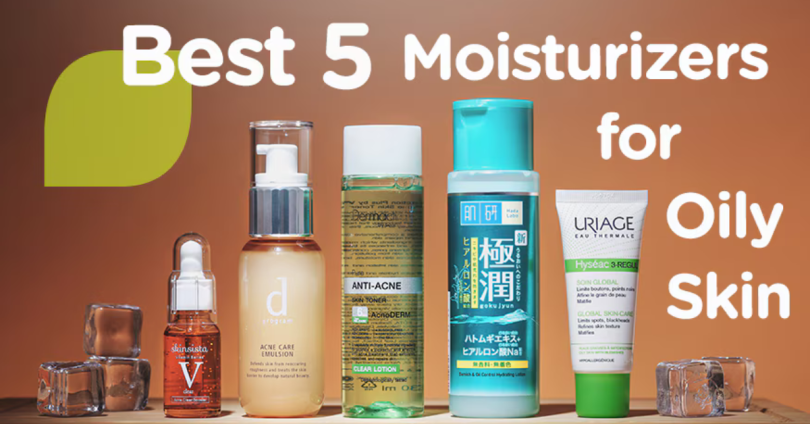

Introduction to Oily Skin
Brief Explanation of Oily Skin
Oily skin occurs when the sebaceous glands produce excess sebum, the natural oil that keeps skin hydrated. While some oil is necessary for healthy skin, overproduction can lead to a shiny appearance and other skincare challenges.
Common Issues with Oily Skin
Shine
Excess oil on the surface can make the skin look greasy, especially in the T-zone (forehead, nose, chin).
Large Pores
Overactive oil production can cause pores to appear enlarged or more noticeable, particularly around the nose and cheeks.
Breakouts
Excess sebum can clog pores, leading to blackheads, whiteheads, and acne.
Benefits of a Proper Skincare Routine
A consistent skincare routine for oily skin can:
- Control shine without over-drying
- Minimize the appearance of pores
- Prevent breakouts and maintain clear skin
- Balance oil production while keeping the skin hydrated and healthy
Proper care ensures oily skin stays fresh, balanced, and resilient without causing irritation or worsening oiliness.
Understanding Oily Skin

Characteristics of Oily Skin
Oily skin has distinct features that set it apart from other skin types:
Shiny Appearance
Excess sebum production can create a noticeably glossy or greasy look, especially on the forehead, nose, and chin.
Enlarged Pores
Overactive oil production can stretch pores, making them more visible.
Acne-Prone
Clogged pores caused by excess oil can lead to blackheads, whiteheads, and pimples.
Causes of Oily Skin
Overactive Sebaceous Glands
Some individuals naturally produce more sebum, which is the primary reason for oily skin.
Hormones
Hormonal fluctuations during puberty, menstruation, or stress can trigger oil overproduction.
Genetics
Oily skin often runs in families, so your genetic makeup can influence sebum levels.
Lifestyle Factors
Diet, stress, and skincare habits can affect oil production. Over-washing or harsh products can even worsen oiliness by triggering rebound oil production.
Common Myths About Oily Skin
- Myth 1: Oily skin doesn’t need moisturizer. (False – it still needs hydration to balance oil.)
- Myth 2: You should scrub or strip oil away aggressively. (False – this can worsen oil production.)
- Myth 3: Oily skin doesn’t age. (False – it can still develop wrinkles and sun damage.)
Why It’s Important to Manage Oil Rather Than Strip It Completely
Completely removing natural oils can disrupt the skin barrier, causing:
- Rebound oiliness
- Irritation and dryness
- Increased sensitivity
The goal is balanced oil control, keeping skin hydrated, healthy, and less prone to breakouts, rather than trying to eliminate oil entirely.
Cleansing for Oily Skin
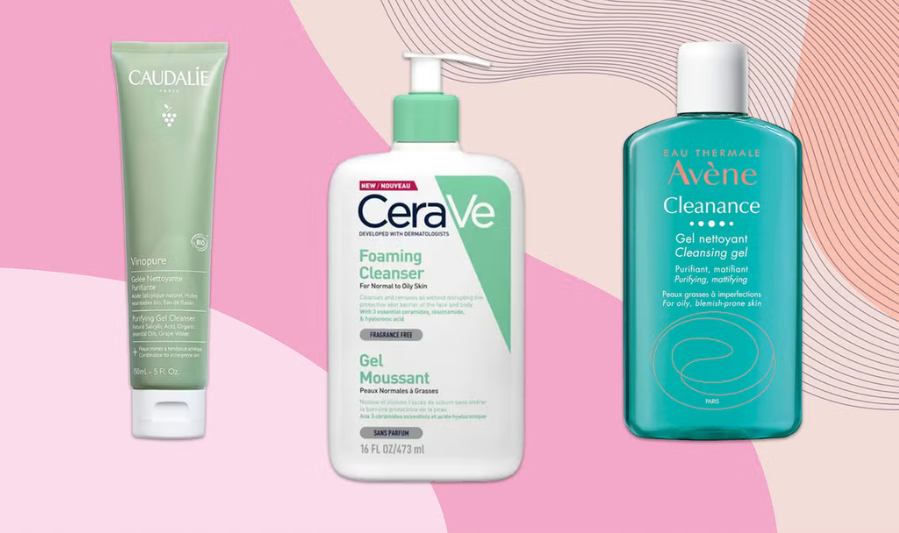
Purpose of Cleansing
Cleansing is the first and most important step for oily skin. It helps:
- Remove excess oil, dirt, and sweat that accumulate throughout the day.
- Unclog pores to prevent blackheads, whiteheads, and breakouts.
- Prepare the skin to absorb serums, moisturizers, and other treatments effectively.
Best Types of Cleansers
Gel Cleansers
Lightweight and refreshing, gel cleansers effectively remove oil without over-drying.
Foaming Cleansers
Foaming cleansers help control shine while leaving the skin feeling clean and balanced.
Salicylic Acid-Based Cleansers
Ideal for acne-prone skin, salicylic acid penetrates pores to remove debris and reduce breakouts.
Ingredients to Look For
- Tea Tree Oil – natural antibacterial properties that combat acne.
- Glycolic Acid – gently exfoliates and improves skin texture.
- Salicylic Acid – clears pores and controls oil production.
Ingredients to Avoid
- Heavy Oils – can clog pores and worsen shine.
- Harsh Alcohols – strip natural oils and trigger rebound oiliness.
- Sulfates – can over-dry or irritate oily skin.
How to Cleanse Correctly
Frequency
- Twice daily: morning and night. Over-washing can cause rebound oiliness.
Water Temperature
- Use lukewarm water. Hot water can irritate and dry out skin, while cold water may not cleanse effectively.
Technique
- Apply a small amount of cleanser to damp skin.
- Massage gently in circular motions, focusing on the T-zone.
- Rinse thoroughly and pat dry with a clean towel.
- Follow immediately with toner or serum to maintain balance.
Proper cleansing for oily skin controls shine, prevents breakouts, and keeps the skin healthy without stripping it of essential moisture.
Moisturizing for Oily Skin
Why Moisturizer is Necessary Even for Oily Skin
Even oily skin needs hydration. Skipping moisturizer can:
- Trigger rebound oiliness, as the skin overcompensates for lack of hydration.
- Disrupt the skin barrier, making it more prone to breakouts and irritation.
- Reduce the effectiveness of other treatments like serums or acne-fighting products.
The goal is to balance oil production while keeping skin hydrated and healthy.
Best Types of Moisturizers
Gel-Based Moisturizers
Lightweight and fast-absorbing, gel moisturizers provide hydration without heaviness or shine.
Oil-Free Moisturizers
These formulas hydrate without clogging pores, making them ideal for oily and acne-prone skin.
Lightweight Lotions
Non-greasy lotions maintain moisture balance and are perfect for daily use.
Ingredients to Look For
- Hyaluronic Acid – attracts and retains moisture for plump, hydrated skin.
- Aloe Vera – soothes and calms inflammation.
- Glycerin – draws moisture into the skin without adding oiliness.
Ingredients to Avoid
- Heavy Creams – can clog pores and increase shine.
- Occlusive Oils (like coconut or mineral oil) – may trap sebum and debris, worsening breakouts.
Morning vs Night Application Tips
Morning
- Use a lightweight, oil-free moisturizer to hydrate and prep skin for sunscreen and makeup.
Night
- Choose a slightly richer gel or lotion if needed for hydration, but avoid heavy creams that can clog pores.
- Apply after toners or serums to lock in active ingredients and maintain balanced skin overnight.
Proper moisturizing for oily skin controls excess shine, keeps pores clear, and supports a healthy, balanced complexion without adding unwanted oil.
Targeted Treatments and Serums for Oily Skin
Benefits of Targeted Treatments
Using serums and targeted treatments for oily skin can:
- Prevent and reduce acne by controlling excess oil and unclogging pores.
- Regulate oil production, helping balance shine throughout the day.
- Improve skin texture, reducing the appearance of large pores and uneven skin tone.
Serums for Oily Skin
Salicylic Acid
- Penetrates deep into pores to remove excess sebum and debris.
- Helps prevent blackheads, whiteheads, and breakouts.
Niacinamide
- Reduces inflammation, redness, and oil overproduction.
- Improves pore appearance and overall skin barrier function.
Retinol (Night Only)
- Promotes cell turnover and unclogs pores, reducing acne and smoothing skin texture.
- Helps with fine lines and uneven skin tone over time.
- Should be used gradually, starting with 1–2 nights per week and increasing as tolerated.
How to Layer Treatments Correctly
- Start with the thinnest, water-based serum (e.g., niacinamide or salicylic acid).
- Apply thicker or oil-based treatments if needed.
- Always follow with a moisturizer to prevent dryness or irritation.
- Leave each product to absorb fully before applying the next.
You may also like to read these posts:
Beginner Workout Plans: A Complete Guide to Start Your Fitness Journey
Breaking Latest Technology News from Around the World
Top Beginner Tech Tutorials for Learning Technology Fast
Complete Step-by-Step Tool Guide for Beginners
Best AI Productivity Tools for Beginners and Professionals
Clean & Pure Face Moisturizer for Smooth, Healthy Glow
Frequency and Precautions
- Salicylic Acid: daily or every other day, depending on tolerance.
- Niacinamide: can be used once or twice daily.
- Retinol: start 1–2 nights per week, gradually increasing.
- Avoid combining retinol with strong exfoliants or acids to prevent irritation.
- Always apply sunscreen in the morning, as treatments like retinol and acids increase sun sensitivity.
Proper use of targeted treatments prevents breakouts, controls oil, and refines skin texture while keeping oily skin balanced and healthy.
Faqs:
How often should I cleanse oily skin?
Oily skin should be cleansed twice daily—morning and night—to remove excess oil, dirt, and pollutants without over-stripping the skin.
Can oily skin still get dry if I use strong products?
Yes. Over-cleansing or using harsh treatments can strip natural oils, causing rebound oiliness or dryness. Always use gentle, balanced products.
Are oil-free moisturizers enough for oily skin?
Absolutely. Lightweight, oil-free moisturizers hydrate the skin without clogging pores or making it greasy.
Can diet affect oil production?
Yes. Diets high in sugar, fried foods, or dairy may exacerbate oiliness, while a balanced diet with fruits, vegetables, and water supports healthier skin.
Do oily skin types need sunscreen?
Yes. All skin types, including oily skin, need broad-spectrum SPF 30+ to prevent sun damage, premature aging, and dark spots.
Conclusion
Managing oily skin is all about balance, consistency, and choosing the right products. By following a routine that includes gentle cleansing, toning, lightweight moisturizing, targeted treatments, and daily sun protection, you can control excess oil, prevent breakouts, and achieve a healthy, matte glow.
Remember, oily skin care is personal—listen to your skin, avoid harsh products, and stay consistent. With the right routine, oily skin can be clear, smooth, and radiant.