
Introduction to Natural Skincare
Growing Demand for Chemical-Free and Gentle Skincare
More people are choosing natural, chemical-free skincare to avoid harsh ingredients that may irritate skin or cause long-term damage. Gentle, plant-based formulations are becoming increasingly popular for their safety, effectiveness, and eco-friendly appeal.
Benefits of Using Natural Ingredients
Using natural ingredients in your skincare routine can:
- Nourish and hydrate the skin without harsh chemicals
- Reduce irritation and sensitivity, supporting skin barrier health
- Promote a healthy, radiant glow through vitamins, antioxidants, and plant extracts
- Provide environmentally friendly options, often cruelty-free and biodegradable
Overview of What This Guide Will Cover
This guide explores how to use natural skincare to support healthy, glowing skin. Topics include:
- Identifying your skin type and choosing suitable natural ingredients
- Daily skincare routines using gentle, plant-based products
- Targeted treatments for common skin concerns
- Tips for combining natural ingredients for maximum benefit
By the end of this guide, you’ll understand how to build an effective, natural skincare routine that’s gentle, nourishing, and results-driven.
Why Natural Skincare Ingredients Matter
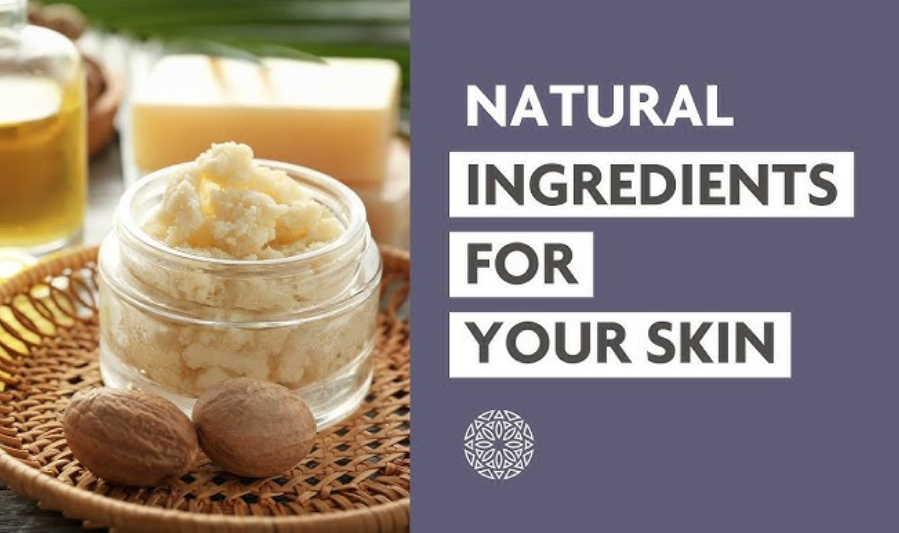
Fewer Harsh Chemicals, Sulfates, and Synthetic Additives
Natural skincare minimizes exposure to potentially irritating or harmful ingredients often found in conventional products. By avoiding:
- Sulfates and parabens
- Synthetic fragrances and dyes
- Harsh preservatives
You reduce the risk of allergic reactions, sensitivity, and long-term skin barrier damage.
Rich in Antioxidants, Vitamins, and Essential Fatty Acids
Natural ingredients often contain nutrient-dense compounds that support healthy skin:
- Antioxidants (like vitamin C and E) combat free radicals and environmental stress
- Essential fatty acids (from plant oils) strengthen the skin barrier and maintain hydration
- Vitamins and minerals nourish skin for improved texture, tone, and resilience
Gentle on Sensitive Skin and Suitable for Long-Term Use
Natural formulations are often milder, making them ideal for:
- Sensitive or reactive skin types
- Long-term daily use without the risk of chronic irritation
- Maintaining balanced, healthy skin over time
Environmental and Ethical Benefits
Choosing natural skincare also supports sustainable and ethical practices:
- Ingredients are often plant-based and biodegradable
- Cruelty-free and eco-friendly sourcing reduces environmental impact
- Promotes responsible consumer habits for healthier skin and planet
By prioritizing natural ingredients, skincare routines become safer, more nourishing, and environmentally responsible, supporting both skin health and holistic wellness.
How Natural Ingredients Work on the Skin
Hydration and Moisture Retention
Many natural ingredients, such as aloe vera, honey, and hyaluronic acid from plant sources, help the skin:
- Attract and retain moisture, keeping it soft and supple
- Prevent dryness and flakiness
- Maintain long-lasting hydration, which is essential for a healthy glow
Skin Barrier Repair and Protection
Plant oils and extracts like jojoba oil, shea butter, and ceramide-rich botanicals support the skin barrier by:
- Strengthening protective layers to lock in moisture
- Shielding the skin from environmental stressors
- Reducing sensitivity and irritation caused by harsh conditions
Anti-Inflammatory and Soothing Effects
Natural ingredients such as chamomile, calendula, green tea, and oat extract help calm the skin:
- Reduce redness, inflammation, and irritation
- Promote faster recovery from environmental or stress-related skin issues
- Provide gentle care suitable for sensitive or reactive skin
Anti-Aging and Antioxidant Benefits
Many botanicals are rich in antioxidants and nutrients that combat signs of aging:
- Vitamin C and E neutralize free radicals and prevent premature aging
- Peptides and plant stem cells support collagen and elastin production
- Natural oils provide fatty acids that improve elasticity and plumpness
By incorporating these ingredients, natural skincare can hydrate, repair, soothe, and protect the skin, while also helping to prevent and reduce signs of aging in a gentle, sustainable way.
Key Natural Skincare Ingredients and Their Benefits
Aloe Vera
- Properties: Soothing, hydrating, anti-inflammatory
- Benefits: Calms irritated or sensitive skin, locks in moisture, and promotes healing of minor skin damage
Green Tea Extract
- Properties: Antioxidant, anti-inflammatory
- Benefits: Protects against free radical damage, reduces redness and puffiness, and supports anti-aging
Rosehip Oil
- Properties: Rich in vitamins A and C, essential fatty acids
- Benefits: Brightens skin tone, reduces scars and hyperpigmentation, and helps minimize fine lines and wrinkles
Jojoba Oil
- Properties: Lightweight, oil-balancing
- Benefits: Provides hydration without clogging pores, regulates sebum production, and suits oily and combination skin
Shea Butter
- Properties: Deeply nourishing, barrier-supporting
- Benefits: Strengthens the skin barrier, prevents moisture loss, and softens dry or mature skin
Vitamin C
- Properties: Antioxidant, brightening
- Benefits: Protects skin from environmental damage, evens skin tone, and boosts collagen production
Chamomile
- Properties: Calming, anti-inflammatory
- Benefits: Reduces irritation, soothes redness, and supports sensitive skin
Licorice Extract
- Properties: Brightening, anti-inflammatory
- Benefits: Fades dark spots, reduces pigmentation, and soothes inflamed or sensitive skin
By incorporating these natural ingredients, skincare routines can be both gentle and highly effective, supporting hydration, protection, and overall skin health without harsh chemicals.
Ingredients to Avoid in Skincare
Parabens and Sulfates
- Why to avoid: Can cause irritation, disrupt the skin barrier, and potentially affect hormone balance
- Common in: Cleansers, shampoos, and makeup products
- Impact: Strips natural oils, leading to dryness and sensitivity
Synthetic Fragrances and Dyes
- Why to avoid: Often trigger allergic reactions or irritation, especially on sensitive skin
- Common in: Lotions, creams, perfumes, and body washes
- Impact: Can exacerbate redness, itching, and skin inflammation
Harsh Alcohols and Preservatives
- Why to avoid: Drying alcohols (like denatured alcohol) and strong preservatives can weaken the skin barrier
- Common in: Toners, astringents, and anti-aging products
- Impact: Over time, can lead to dehydration, sensitivity, and premature aging
Chemicals That Can Cause Irritation or Disrupt Skin Barrier
- Includes strong acids, synthetic exfoliants, and harsh detergents
- Impact: Can damage delicate skin, increase inflammation, and reduce skin resilience
Avoiding these ingredients helps maintain a healthy, balanced skin barrier, reduces irritation, and ensures that your skincare routine—especially natural or gentle products—works effectively.
How to Choose the Right Natural Skincare Products
Reading and Understanding Ingredient Labels
- Look for plant-based ingredients and avoid synthetic chemicals, sulfates, and parabens
- Ingredients are listed in descending order by concentration, so the first few ingredients have the most impact
- Familiarize yourself with beneficial natural compounds like aloe vera, jojoba oil, hyaluronic acid, and antioxidants
Checking for Certified Natural or Organic Products
- Look for trusted certifications such as USDA Organic, Ecocert, or COSMOS
- Certification ensures ingredient sourcing, processing, and safety standards are met
- Helps reduce the risk of hidden synthetic additives or harmful chemicals
Matching Ingredients to Skin Type and Concerns
- Dry skin: Shea butter, aloe vera, hyaluronic acid for hydration
- Oily skin: Jojoba oil, green tea, licorice extract for oil regulation and soothing
- Sensitive skin: Chamomile, calendula, oat extract for calming irritation
- Aging skin: Rosehip oil, vitamin C, peptides for brightening, collagen support, and elasticity
Tips for Patch Testing New Products
- Apply a small amount on the inner arm or behind the ear for 24–48 hours
- Observe for redness, itching, burning, or irritation before applying to the face
- Even natural products can cause reactions; patch testing helps prevent unwanted side effects
By carefully selecting natural products, reading labels, and testing new formulas, you can build a safe, effective, and personalized skincare routine that supports healthy, glowing skin.
You may also like to read these posts:
Complete Step-by-Step Tool Guide for Beginners
Best AI Productivity Tools for Beginners and Professionals
Clean & Pure Face Moisturizer for Smooth, Healthy Glow
Skincare Tips for Dry Skin: How to Keep Your Skin Hydrated and Glowing
Creating a Natural Skincare Routine
Cleansing with Gentle, Plant-Based Cleansers
- Use cream, milk, or gel cleansers formulated with natural ingredients like aloe vera, oat extract, or chamomile
- Gently remove dirt, makeup, and impurities without stripping the skin
- Suitable for all skin types: choose lighter formulations for oily skin, richer ones for dry skin
Hydrating with Natural Oils and Moisturizers
- Lock in moisture using plant oils (jojoba, rosehip, argan) and butters (shea, cocoa)
- Use lightweight oils for oily or combination skin and richer creams for dry or mature skin
- Layer hydrating serums first, then oils or creams to maximize absorption and protection
Targeted Care with Serums Containing Antioxidants and Vitamins
- Address specific skin concerns with natural serums:
- Vitamin C: brightening and protection from free radicals
- Green tea extract: antioxidant and anti-inflammatory benefits
- Licorice extract: fades dark spots and evens skin tone
- Apply before moisturizers, morning or night depending on active ingredients
Weekly Treatments with Masks or Exfoliants Using Natural Ingredients
- Exfoliate gently 1–2 times a week with AHAs from fruit acids or fine oatmeal scrubs
- Use hydrating and soothing masks with ingredients like honey, yogurt, aloe vera, or clay
- Helps remove dead skin cells, boost circulation, and support radiant, healthy skin
By combining daily cleansing, hydration, targeted treatments, and weekly care, a natural skincare routine can nourish, protect, and enhance skin health while avoiding harsh chemicals.
Faqs:
Are natural skincare ingredients safe for all skin types?
Most natural ingredients are gentle, but sensitive skin may still react to certain botanicals. Always patch test before full use.
Can natural ingredients be as effective as synthetic ones?
Yes. Many natural ingredients like vitamin C, green tea extract, and rosehip oil provide proven benefits such as hydration, antioxidant protection, and anti-aging effects.
How do I know if a product is truly natural?
Look for certified natural or organic labels, check ingredient lists, and avoid products with unnecessary synthetic additives.
Can I mix different natural oils?
Yes. Combining oils like jojoba, rosehip, and argan oil can enhance hydration and target multiple skin concerns simultaneously.
Are natural ingredients effective for anti-aging?
Absolutely. Ingredients like rosehip oil, green tea extract, and vitamin C help reduce fine lines, promote collagen production, and protect against premature aging.
Conclusion
Using natural skincare ingredients is a gentle and effective way to nourish, protect, and revitalize your skin. By understanding which ingredients suit your skin type and concerns, you can create a safe, eco-friendly, and results-driven skincare routine that keeps your skin healthy, glowing, and radiant.
Embrace the power of nature in your daily skincare and enjoy the long-term benefits of hydration, repair, and natural protection.