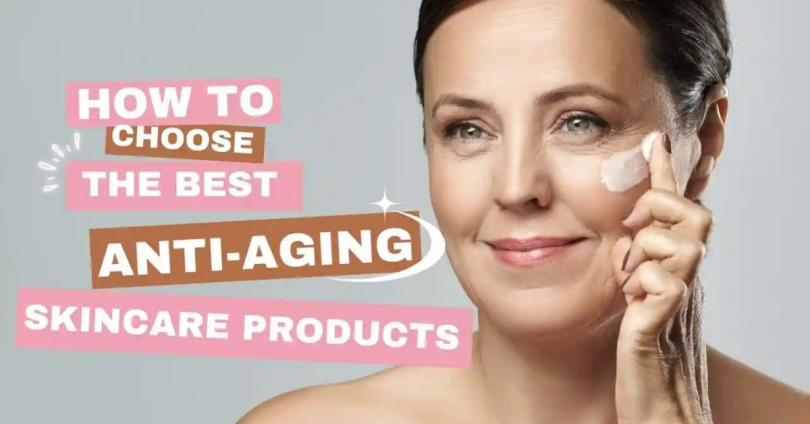

Introduction to Anti-Aging Skincare
Importance of Preventing Premature Aging
Preventing premature aging is essential for maintaining healthy, youthful-looking skin. While aging is natural, external factors such as sun exposure, pollution, stress, and lifestyle habits can accelerate fine lines, wrinkles, and loss of elasticity. Early prevention helps slow visible signs and keeps skin resilient over time.
Benefits of a Holistic Anti-Aging Approach
A well-rounded anti-aging strategy combines skincare and lifestyle practices for maximum results:
- Skincare: Regular use of sunscreen, antioxidants, moisturizers, and targeted treatments protects and repairs the skin.
- Lifestyle: Adequate sleep, a balanced diet, hydration, exercise, and stress management support overall skin health.
This holistic approach addresses both prevention and repair, keeping skin firm, radiant, and youthful.
Overview of Topics Covered in This Guide
This guide covers key aspects of anti-aging skincare, including:
- Identifying signs of aging and skin concerns
- Daily skincare routine for prevention and repair
- Targeted treatments, serums, and ingredients for anti-aging
- Lifestyle habits that complement your skincare routine
By the end of this guide, you’ll have a clear plan to protect, nourish, and maintain youthful skin through consistent care and healthy habits.
Understanding Skin Aging
Natural Changes in Aging Skin
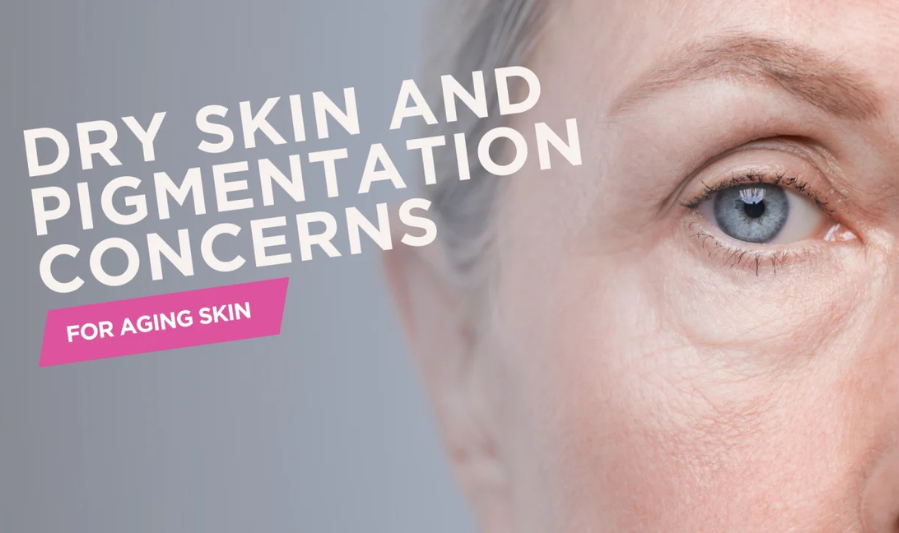
As we age, the skin undergoes gradual structural and functional changes:
- Loss of collagen and elastin – leads to reduced firmness and the formation of fine lines and wrinkles
- Decreased hydration – skin becomes drier and more prone to roughness
- Slower cell turnover – results in duller, uneven texture
These natural processes are unavoidable but can be slowed and managed with proper care.
Environmental Factors
External elements can accelerate aging if skin is not protected:
- UV rays – cause photoaging, pigmentation, and breakdown of collagen
- Pollution – generates free radicals that damage skin cells and lead to premature aging
Lifestyle Factors
Daily habits also influence how quickly skin shows signs of aging:
- Stress – increases cortisol, which can degrade collagen and cause breakouts
- Diet – poor nutrition can reduce skin’s ability to repair and regenerate
- Smoking and alcohol – damage skin cells, impair hydration, and accelerate wrinkles
Why Understanding Aging Helps Choose the Right Routine
Knowing the factors that contribute to aging allows you to:
- Select products and ingredients that target your skin’s specific needs (hydration, collagen support, antioxidant protection)
- Prevent or slow signs of aging before they become pronounced
- Build a holistic routine that combines prevention, repair, and lifestyle adjustments
With this understanding, your anti-aging routine becomes strategic and effective, addressing both natural and preventable causes of aging.
Cleansing Tips for Aging Skin
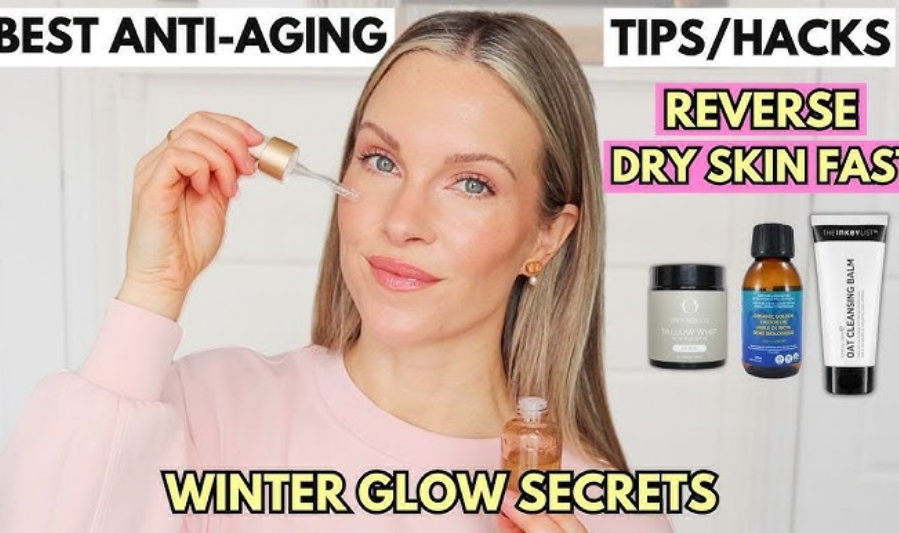
Importance of Gentle Cleansing
As skin ages, it becomes thinner, drier, and more sensitive, making gentle cleansing essential. Proper cleansing:
- Removes dirt, oil, and makeup without stripping natural moisture
- Prepares the skin for serums, moisturizers, and anti-aging treatments
- Protects the skin barrier, reducing irritation and dryness
Recommended Cleansers for Mature Skin
- Cream-based or milk cleansers – hydrate while cleansing
- Gentle hydrating gels – effective without over-drying
- Cleansers with antioxidants or soothing ingredients – help protect aging skin from free radical damage
Common Mistakes to Avoid
- Over-washing – can strip natural oils, leaving skin tight and dehydrated
- Harsh soaps or strong exfoliating cleansers – damage the barrier and increase sensitivity
- Hot water – can accelerate dryness and reduce elasticity
How Cleansing Affects Absorption of Anti-Aging Products
- Clean, hydrated skin absorbs serums and moisturizers more effectively, enhancing their benefits
- Over-cleansing or using harsh products can compromise penetration, making treatments less effective
- Gentle cleansing ensures that active ingredients like retinol, peptides, and antioxidants can work optimally
Proper cleansing for aging skin balances hygiene with hydration, forming the foundation for a routine that supports repair, protection, and anti-aging benefits.
Moisturizing and Hydration for Aging Skin
Role of Moisturizers in Anti-Aging
Moisturizers are a cornerstone of anti-aging skincare because they:
- Lock in hydration, preventing dryness and rough texture
- Support the skin barrier, which weakens with age
- Smooth fine lines and wrinkles, making skin appear plumper and more youthful
- Enhance the effectiveness of active treatments by keeping skin receptive
Ingredients to Look For
- Hyaluronic Acid – attracts and retains moisture for a plump, hydrated appearance
- Ceramides – restore and strengthen the skin barrier
- Shea Butter – deeply nourishing, helps reduce dryness and irritation
- Peptides – support collagen production and firmness
Night Creams vs. Day Creams
Day Creams
- Lighter textures that hydrate and protect
- Often contain antioxidants and SPF to defend against environmental damage
Night Creams
- Richer formulations designed to repair and restore skin while you sleep
- Can include retinol, peptides, and heavier emollients for intensive hydration
Tips for Applying Moisturizer Correctly
- Apply on slightly damp skin to lock in hydration
- Use upward, gentle motions to avoid tugging on delicate skin
- Layer serums first, then moisturizer, and finally oils if needed
- Adjust thickness according to season, climate, and your skin’s current hydration level
Proper moisturizing for aging skin maintains hydration, enhances elasticity, and prepares the skin to respond effectively to anti-aging treatments, keeping it soft, smooth, and resilient.
Sun Protection for Anti-Aging
Why Daily Sunscreen Is Essential
Sun protection is the most effective anti-aging step. UV rays accelerate:
- Collagen breakdown, leading to wrinkles and sagging
- Hyperpigmentation and age spots
- Skin thinning and loss of elasticity
Daily SPF helps prevent premature aging and protects the benefits of your skincare routine.
SPF Recommendations and Application Tips
- Use SPF 30 or higher daily for normal activities
- Apply a generous layer to the face, neck, and exposed areas
- Apply 15–30 minutes before sun exposure for maximum effectiveness
Types of Sunscreens for Different Skin Types
Cream or Lotion Sunscreens
- Ideal for dry or mature skin, often hydrating and nourishing
Gel or Lightweight Sunscreens
- Best for oily or combination skin, non-greasy and absorbs quickly
Mineral (Physical) Sunscreens
- Contain zinc oxide or titanium dioxide, gentle and suitable for sensitive skin
Chemical Sunscreens
- Absorb UV rays; often lightweight, suitable for daily wear under makeup
Reapplication Advice for Prolonged Sun Exposure
- Reapply every 2 hours when outdoors
- After sweating, swimming, or towel-drying, reapply immediately
- Consider sunscreen sprays or powders for quick touch-ups over makeup
Consistent sun protection preserves collagen, prevents pigmentation, and keeps skin smooth and youthful, making it a non-negotiable step in any anti-aging routine.
Anti-Aging Serums and Treatments
Types of Serums
Retinol
- Stimulates collagen production and accelerates cell turnover
- Targets fine lines, wrinkles, and uneven texture
- Best used at night due to sun sensitivity
Vitamin C
- Powerful antioxidant that protects against free radical damage
- Brightens skin and reduces pigmentation and dullness
- Typically used in the morning before sunscreen
Peptides
- Short chains of amino acids that support collagen and elastin synthesis
- Improve firmness and skin resilience
- Can be used morning or night, layered under moisturizer
Hyaluronic Acid
- Attracts and retains moisture for plump, hydrated skin
- Reduces the appearance of fine lines caused by dehydration
- Can be used anytime, layered under creams or oils
How Serums Target Fine Lines, Wrinkles, and Dullness
- Fine Lines: Retinol and peptides stimulate collagen and repair elasticity
- Wrinkles: Consistent hydration with hyaluronic acid and collagen support smooths lines
- Dullness: Vitamin C brightens and protects against environmental damage, restoring radiance
Correct Layering and Application Tips
- Cleanse and tone first
- Apply lightweight, water-based serums (like hyaluronic acid) first
- Follow with thicker, oil-based or active serums (peptides, retinol)
- Finish with moisturizer to lock in hydration
- Pat gently rather than rubbing to prevent irritation
When to Use Serums (Morning vs Night)
- Morning: Antioxidants like Vitamin C to protect against environmental damage
- Night: Retinol and peptides for repair and collagen stimulation
- Hyaluronic acid can be used both morning and night for hydration
Proper use of serums enhances skin texture, firmness, and radiance, making them an essential part of a targeted anti-aging routine.
You may also like to read these posts:
Complete Step-by-Step Tool Guide for Beginners
Best AI Productivity Tools for Beginners and Professionals
Clean & Pure Face Moisturizer for Smooth, Healthy Glow
Skincare Tips for Dry Skin: How to Keep Your Skin Hydrated and Glowing
Exfoliation for Mature Skin
Benefits of Exfoliation
Exfoliation is an important step for aging skin because it:
- Removes dead skin cells, revealing fresher, smoother skin
- Boosts absorption of serums and moisturizers
- Promotes cell turnover, helping to reduce dullness and improve texture
- Can stimulate circulation, giving the skin a healthy glow
Recommended Exfoliants
AHAs (Alpha Hydroxy Acids)
- Examples: glycolic acid, lactic acid
- Water-soluble, ideal for surface exfoliation
- Improve texture, fine lines, and uneven tone
BHAs (Beta Hydroxy Acids)
- Example: salicylic acid
- Oil-soluble, penetrates pores to remove excess oil and prevent congestion
- Suitable for aging skin prone to occasional breakouts
Gentle Physical Scrubs
- Use soft, non-abrasive scrubs
- Only on small areas occasionally, to avoid irritation
Frequency and Safety Precautions
- 1–3 times per week depending on skin sensitivity and type
- Always follow exfoliation with hydration and sunscreen
- Avoid over-exfoliating, which can thin the skin and increase sensitivity
- Test new exfoliants on a small patch of skin first
Proper exfoliation for mature skin enhances product effectiveness, smooths texture, and supports a radiant, youthful appearance while maintaining skin health and barrier integrity.
Faqs:
At what age should I start anti-aging skincare?
It’s recommended to start in your mid-20s with daily sunscreen and hydration. Early preventive care helps delay fine lines and wrinkles.
Can lifestyle choices really affect skin aging?
Yes. Diet, hydration, sleep, stress, smoking, and sun exposure all play a major role in how your skin ages.
Are expensive anti-aging products necessary?
Not necessarily. Focus on proven ingredients like retinol, vitamin C, peptides, and hyaluronic acid rather than the price tag.
How often should I use anti-aging serums?
Most serums are applied once or twice daily, depending on the product instructions. Always follow the recommended usage to avoid irritation.
Can retinol and vitamin C be used together?
Yes, but it’s best to apply vitamin C in the morning for antioxidant protection and retinol at night to boost collagen and cell turnover safely.
Conclusion
Anti-aging skincare is all about prevention, protection, and targeted care. By incorporating gentle cleansing, daily hydration, sun protection, nutrient-rich serums, and a healthy lifestyle, you can maintain youthful, radiant skin for longer.
Consistency is key—listen to your skin, adjust your routine as needed, and focus on nourishing your skin from both inside and out. With the right approach, every skin type can look healthy, firm, and glowing at any age.