

Introduction to Dry Skin
Importance of Hydration for Dry Skin
Dry skin lacks sufficient moisture in the outer layer, making it prone to discomfort and sensitivity. Proper hydration is essential to:
- Maintain a healthy skin barrier
- Prevent irritation and sensitivity
- Keep the skin soft, smooth, and supple
Common Issues with Dry Skin
Tightness
Skin often feels stretched or tight, especially after cleansing.
Flakiness
Dry patches and peeling can occur, particularly in colder weather or low-humidity environments.
Dullness
Lack of moisture can make skin appear tired, lackluster, and uneven in tone.
Benefits of a Proper Skincare Routine
A consistent skincare routine for dry skin can:
- Provide lasting hydration and restore softness
- Protect the skin barrier against environmental damage
- Enhance natural glow, making the skin appear healthy and radiant
- Reduce discomfort like tightness, itchiness, or flaking
With the right care, dry skin can remain comfortable, resilient, and luminous, preventing long-term issues like premature aging or irritation.
Understanding Dry Skin

Characteristics of Dry Skin
Dry skin has distinct features that help identify it:
Tight and Rough
Lack of moisture causes skin to feel tight and less flexible, often with a rough texture.
Flaky
Dry skin is prone to peeling or small flakes, especially around the cheeks, forehead, and chin.
Sensitive
The skin barrier may be compromised, making the skin more reactive to environmental changes and certain products.
Common Causes of Dry Skin
Weather
Cold, dry climates and low humidity strip natural moisture, worsening dryness.
Aging
With age, the skin produces less oil, leading to drier skin over time.
Harsh Cleansers
Strong soaps or alcohol-based products remove natural oils, aggravating dryness.
Genetics
Some people are naturally predisposed to less oily or drier skin types.
Difference Between Dry, Dehydrated, and Combination Skin
Dry Skin
- A skin type that produces less oil naturally.
- Feels tight, rough, and prone to flakiness.
Dehydrated Skin
- A skin condition lacking water, not necessarily oil.
- Can affect any skin type, including oily or combination skin.
Combination Skin
- Features both dry and oily areas, typically dry cheeks and an oily T-zone.
Why Proper Care Matters
Proper care for dry skin:
- Restores hydration and protects the barrier, preventing irritation.
- Maintains softness and suppleness, reducing rough patches.
- Prevents premature aging, since dry skin is more prone to fine lines.
With a thoughtful skincare routine, dry skin can remain healthy, comfortable, and radiant, avoiding common issues like flakiness and sensitivity.
Cleansing for Dry Skin
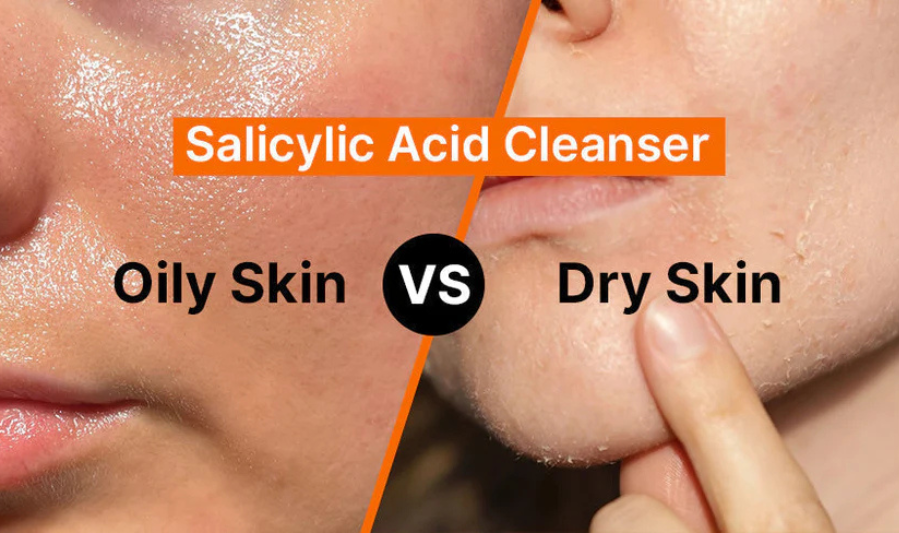
Purpose of Cleansing
Cleansing is an essential step for dry skin, but the goal is to remove impurities without stripping natural moisture. Proper cleansing:
- Eliminates dirt, sweat, and pollutants
- Prepares the skin for serums and moisturizers
- Maintains the skin barrier to prevent further dryness or irritation
Recommended Types of Cleansers
Cream-Based Cleansers
- Gentle, rich, and nourishing, ideal for dry skin
- Cleanses without leaving the skin tight or rough
Hydrating Cleansers
- Infused with moisturizing ingredients to support skin hydration
- Leaves skin feeling soft and supple
Ingredients to Look For
- Glycerin – attracts and retains moisture
- Aloe Vera – soothes and calms dry, sensitive areas
- Oat Extract – gentle, anti-inflammatory, and hydrating
Ingredients to Avoid
- Harsh Soaps – strip natural oils and damage the skin barrier
- Sulfates – can cause irritation and dryness
- Alcohol – overly drying and may increase sensitivity
Tips for Effective Cleansing
Water Temperature
- Use lukewarm water; hot water can worsen dryness, cold water may not remove impurities completely
Frequency
- Once or twice daily, depending on your skin’s needs
- Avoid over-cleansing, which can trigger tightness and flakiness
Gentle Techniques
- Massage cleanser lightly in circular motions
- Avoid scrubbing or harsh exfoliation
- Pat dry with a soft towel rather than rubbing
Proper cleansing for dry skin removes impurities while protecting moisture, forming the foundation for a healthy, hydrated complexion.
Toning for Dry Skin
Benefits of Toners
Toning is an essential step for dry skin because it:
- Restores hydration lost during cleansing
- Prepares the skin to absorb serums, moisturizers, and treatments more effectively
- Soothes and calms sensitive or irritated areas
Key Ingredients in Toners
Hyaluronic Acid
- Attracts and retains moisture, keeping skin plump and hydrated
Rose Water
- Gently refreshes and soothes dry or irritated skin
Chamomile
- Calms inflammation and reduces redness
Aloe Vera
- Hydrates and heals, ideal for sensitive or flaky skin
Alcohol-Free vs Astringent Toners
Alcohol-Free Toners
- Gentle and hydrating, perfect for dry and sensitive skin
- Focus on restoring moisture without irritation
Astringent Toners
- Contain alcohol or strong extracts to tighten pores or control oil
- Not recommended for dry skin as they can worsen dryness and irritation
Application Tips
- Apply toner after cleansing using a cotton pad or clean hands
- Gently pat onto the skin rather than rubbing
- Allow it to fully absorb before moving to serums or moisturizer
- Use once or twice daily, depending on your skin’s hydration needs
Proper toning helps dry skin retain moisture, feel soft, and remain healthy, forming a smooth base for the rest of your skincare routine.
Serums and Treatments for Dry Skin
Why Serums Help Dry Skin
Serums are concentrated formulations that deliver active ingredients deep into the skin, providing targeted hydration and repair. For dry skin, serums:
- Boost moisture levels more effectively than moisturizers alone
- Repair the skin barrier, reducing sensitivity and irritation
- Improve texture and glow, making skin soft and supple
Recommended Serums
Hyaluronic Acid
- Attracts and locks in moisture, plumping and softening the skin
Vitamin E
- Provides antioxidant protection and helps heal dry, damaged areas
Ceramides
- Strengthen the skin’s natural barrier, preventing moisture loss and irritation
How to Layer Serums and Moisturizers
- Apply serums first, starting with the thinnest, water-based product like hyaluronic acid
- Follow with thicker or oil-based serums if using multiple products
- Finish with moisturizer to seal in hydration
- Pat gently rather than rubbing to avoid irritation
Frequency and Tips for Sensitive Dry Skin
- Serums: once or twice daily, depending on the ingredient and tolerance
- Avoid overloading products to prevent irritation
- Introduce new serums gradually, especially active ingredients
- Always follow with moisturizer to reinforce the skin barrier
Using serums and targeted treatments for dry skin enhances hydration, repairs damage, and maintains a soft, radiant complexion while minimizing sensitivity.
Moisturizing for Dry Skin
Importance of Moisturizing
Moisturizing is crucial for dry skin because it:
- Locks in hydration, preventing flakiness and tightness
- Strengthens the skin barrier, protecting against environmental stressors
- Enhances comfort and suppleness, keeping skin soft and healthy
Best Types of Moisturizers
Rich Creams
- Thick, nourishing formulas that provide long-lasting hydration
- Ideal for day or night use, especially in dry climates
Oils
- Natural oils like jojoba or argan seal in moisture and support barrier repair
- Can be used alone or layered under/over cream
Night Creams
- Heavier, restorative formulas designed to repair and hydrate skin overnight
Ingredients to Look For
- Shea Butter – deeply moisturizing and soothing
- Ceramides – repair and reinforce the skin barrier
- Jojoba Oil – mimics natural skin oils for gentle hydration
Tips for Application
Apply on Damp Skin
- Apply moisturizer immediately after cleansing or toning to lock in water
Layering
- Use serums first, then moisturizers, and oils last if needed for extra hydration
Night vs Day
- Day: lighter creams or creams with added antioxidants for protection
- Night: richer creams or oils to repair and replenish skin while you sleep
Proper moisturizing for dry skin prevents tightness, maintains hydration, and keeps the skin barrier healthy, forming the foundation for a smooth, radiant complexion.
You may also like to read these posts:
Beginner Workout Plans: A Complete Guide to Start Your Fitness Journey
Breaking Latest Technology News from Around the World
Top Beginner Tech Tutorials for Learning Technology Fast
Complete Step-by-Step Tool Guide for Beginners
Best AI Productivity Tools for Beginners and Professionals
Clean & Pure Face Moisturizer for Smooth, Healthy Glow
Skincare Tips for Dry Skin: How to Keep Your Skin Hydrated and Glowing
Sun Protection for Dry Skin
Importance of Daily SPF
Daily sunscreen is essential for dry skin because it:
- Protects against UV damage, which can worsen dryness and accelerate aging
- Prevents dark spots and uneven tone caused by sun exposure
- Maintains the integrity of the skin barrier, keeping skin healthy and hydrated
Even on cloudy days or indoors near windows, UV rays can cause damage, making daily SPF crucial.
Recommended Types of Sunscreens
Cream-Based Sunscreens
- Hydrating and nourishing formulas blend well with dry skin
- Provide moisture while blocking harmful UV rays
Hydrating Sunscreens
- Infused with glycerin, hyaluronic acid, or aloe vera to prevent tightness
- Ideal for daily wear without feeling heavy
SPF Levels and Application Tips
- SPF 30–50 is recommended for daily use on the face and neck
- Apply a generous, even layer—about a nickel-sized amount for the face
- Don’t forget ears, neck, and hands, as these areas are often missed
Reapplication Guidelines
- Reapply every 2 hours when outdoors
- After sweating, swimming, or towel-drying, reapply immediately
- Consider hydrating sunscreen sprays or powders for quick touch-ups over makeup
Proper sun protection prevents moisture loss, protects the skin barrier, and reduces signs of aging, keeping dry skin healthy, soft, and radiant.
Faqs:
How often should I moisturize dry skin?
You should moisturize at least twice daily, in the morning and at night. Reapply during the day if your skin feels tight or dry.
Can dry skin become oily?
Yes, some people have combination skin, where the T-zone may be oily while cheeks and other areas remain dry. Proper care balances both areas.
Are natural oils good for dry skin?
Yes, oils like jojoba, almond, and argan oil provide extra hydration and help strengthen the skin barrier. Use sparingly to avoid clogged pores.
Should I exfoliate dry skin?
Yes, but gently. Exfoliate once a week with mild chemical exfoliants like AHAs to remove dead skin without causing irritation.
Can diet affect dry skin?
Absolutely. Eating hydrating foods (fruits, vegetables) and omega-3-rich foods (salmon, flaxseed) supports skin hydration from the inside out.
Conclusion
Caring for dry skin is all about hydration, gentle products, and consistent routines. By following a regimen that includes cleansing, toning, serums, moisturizing, and sun protection, you can restore softness, prevent irritation, and maintain a healthy, glowing complexion.
Remember, dry skin care is personal—listen to your skin, choose nourishing ingredients, and stay consistent. With the right routine, your skin can stay hydrated, smooth, and radiant all year round.