

Introduction
Importance of Healthy Skin
Healthy skin is more than just a reflection of beauty—it’s a sign of overall well-being. It acts as a barrier against environmental stressors, helps regulate body temperature, and plays a key role in our immune system. Taking care of your skin is an investment in both your health and confidence.
Benefits of a Daily Skincare Routine
A consistent daily skincare routine offers numerous benefits:
Hydration
Proper hydration keeps your skin soft, supple, and comfortable throughout the day.
Glow
Targeted care can enhance your natural glow, giving your skin a radiant and refreshed appearance.
Anti-Aging
A thoughtful routine can slow down visible signs of aging, such as fine lines and wrinkles, keeping your skin looking youthful over time.
Quick Overview of Steps in This Guide
This guide will walk you through the essential steps of an effective skincare routine, covering everything from cleansing and moisturizing to targeted treatments. By the end, you’ll have a clear, practical plan to maintain healthy, glowing skin every day.
Understanding Your Skin Type
Common Skin Types
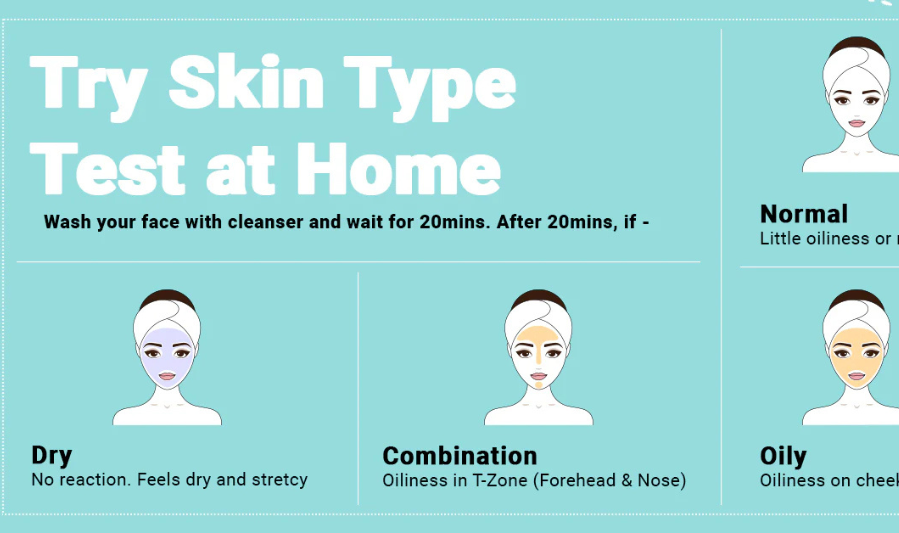
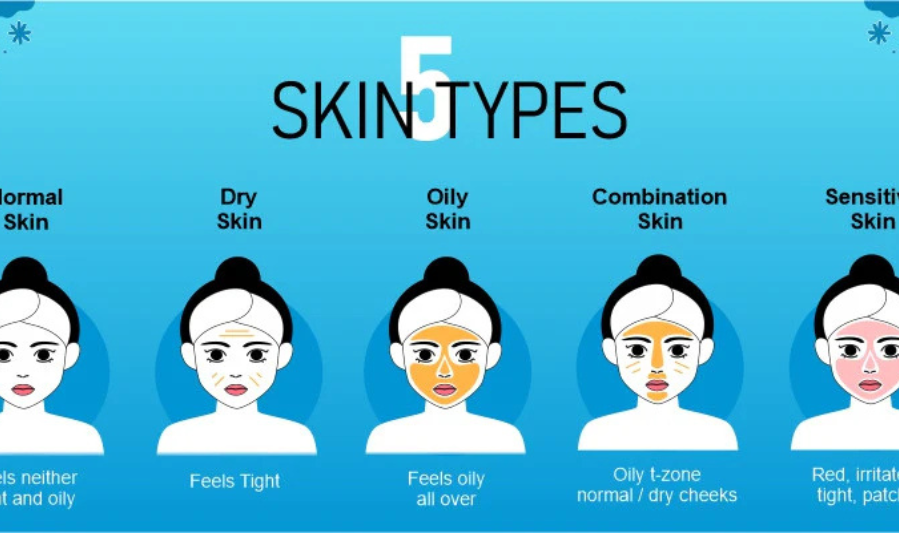
Knowing your skin type is the first step toward an effective skincare routine. The most common skin types include:
Dry Skin
Characterized by tightness, flakiness, and sometimes dullness. Dry skin often feels rough and may be more prone to fine lines.
Oily Skin
Oily skin produces excess sebum, leading to a shiny appearance and a higher likelihood of acne or enlarged pores.
Combination Skin
Combination skin features a mix of oily and dry areas—typically an oily T-zone (forehead, nose, chin) and drier cheeks.
Sensitive Skin
Sensitive skin is prone to redness, irritation, and reactions to certain products or environmental triggers.
Acne-Prone Skin
Acne-prone skin tends to develop breakouts due to excess oil, clogged pores, or bacterial activity. This type can overlap with oily or combination skin.
How to Identify Your Skin Type
Identifying your skin type helps you choose products that work best for you. You can determine your type through:
Observation
- Pay attention to how your skin feels and looks throughout the day.
- Note areas that are oily, dry, or prone to irritation.
Simple Tests
- The Bare-Faced Test: Cleanse your face, wait an hour, and observe how your skin feels.
- The Blotting Sheet Test: Press a blotting paper on different areas of your face; oily areas leave visible residue.
Why Skin Type Matters in Choosing Products
Different skin types have unique needs:
- Dry skin benefits from rich moisturizers and gentle cleansers.
- Oily skin may require lightweight, oil-free products to prevent clogged pores.
- Sensitive skin needs soothing, hypoallergenic formulations.
- Combination skin often requires a mix of targeted care for different areas.
Understanding your skin type ensures your routine nourishes, protects, and balances your skin rather than causing irritation or worsening existing issues.
Cleansing
Purpose of Cleansing
Cleansing is the foundation of any skincare routine. It helps:
- Remove dirt, oil, and sweat that accumulate on your skin throughout the day.
- Eliminate makeup and sunscreen, preventing clogged pores.
- Wash away pollutants and impurities, which can contribute to dullness and breakouts.
A proper cleanse ensures your skin is clean, refreshed, and ready to absorb other skincare products.
How to Choose a Cleanser for Your Skin Type
Dry Skin
Look for hydrating, creamy cleansers that don’t strip natural oils. Ingredients like glycerin, hyaluronic acid, and ceramides are ideal.
Oily Skin
Opt for gentle foaming or gel cleansers that remove excess oil without over-drying. Ingredients like salicylic acid or niacinamide can help control shine and prevent breakouts.
Combination Skin
Choose a balanced cleanser that targets oily areas without dehydrating dry zones.
Sensitive Skin
Go for fragrance-free, gentle cleansers with calming ingredients like aloe vera, chamomile, or oat extracts.
Morning vs Night Cleansing
Morning
- Removes sweat, sebum, and overnight impurities.
- Prepares skin for moisturizers and sunscreen.
- Usually a lighter cleanse is sufficient.
Night
- Focuses on removing makeup, sunscreen, and accumulated pollutants.
- Can be a double cleanse: first with an oil-based cleanser (to remove makeup), then a gentle water-based cleanser.
Common Mistakes
Over-Cleansing
Washing too frequently can strip natural oils, causing dryness or rebound oiliness.
Harsh Products
Products with strong detergents or alcohol can irritate skin and disrupt its barrier.
Wrong Water Temperature
- Hot water can dry out skin and worsen sensitivity.
- Cold water may not fully remove impurities. Lukewarm water is ideal.
Recommended Gentle Cleansers and Ingredients to Look For
- Hydrating cleansers: glycerin, hyaluronic acid, ceramides
- Gentle foaming cleansers: salicylic acid (for oily or acne-prone skin)
- Calming cleansers: aloe vera, chamomile, oat extract
- Oil-based cleansers: for makeup removal without stripping natural oils
A gentle, consistent cleansing routine sets the stage for healthy, balanced skin and ensures other skincare products work effectively.
Toning
Role of Toners
Toners are an important step in maintaining healthy skin. They help:
- Restore and maintain skin’s natural pH balance, which can be disrupted by cleansing.
- Prep the skin to better absorb serums, moisturizers, and treatments.
- Remove residual dirt or cleanser, ensuring a truly clean base.
Key Ingredients in Toners
Aloe Vera
Soothes and hydrates the skin, making it ideal for sensitive or dry skin types.
Witch Hazel
Acts as a gentle astringent, helping control oil and reduce inflammation for oily or acne-prone skin.
Hyaluronic Acid
Provides hydration by attracting and retaining moisture in the skin, giving a plump, healthy appearance.
Application Tips and Common Mistakes
Application Tips
- Apply toner after cleansing using a cotton pad or clean hands.
- Gently pat onto the skin rather than rubbing to avoid irritation.
- Allow the toner to absorb fully before applying serums or moisturizer.
Common Mistakes
- Skipping toner when needed, which may reduce the effectiveness of other skincare products.
- Overusing or applying too roughly, which can irritate the skin.
- Choosing the wrong type for your skin type (e.g., a strong astringent on dry skin).
Alcohol-Free vs Astringent Toners
Alcohol-Free Toners
- Gentle, hydrating, and suitable for sensitive or dry skin.
- Focus on soothing, balancing, and prepping skin without stripping natural oils.
Astringent Toners
- Often contain alcohol or stronger plant extracts.
- Ideal for oily or acne-prone skin to control shine and tighten pores.
- Should be used carefully, as overuse can lead to dryness or irritation.
Using the right toner ensures your skin stays balanced, hydrated, and ready to receive the full benefits of your skincare routine.
Serum Application
Benefits of Serums and How They Differ from Moisturizers
Serums are lightweight, concentrated formulations designed to deliver active ingredients deep into the skin. Unlike moisturizers, which primarily hydrate and lock in moisture, serums target specific skin concerns such as dullness, fine lines, pigmentation, or dehydration.
Benefits include:
- Targeted treatment for aging, dark spots, or acne
- Penetrates deeper than moisturizers due to smaller molecular size
- Enhances overall skin texture, radiance, and firmness
Types of Serums
Hydrating Serums
- Focus on intense moisture retention
- Ideal for dry or dehydrated skin
Brightening Serums
- Help even out skin tone and reduce pigmentation
- Often contain antioxidants or lightening agents
Anti-Aging Serums
- Target fine lines, wrinkles, and loss of elasticity
- Support collagen production and skin repair
How to Layer Serums Correctly
Proper layering ensures maximum effectiveness:
- Start with the thinnest, water-based serum (e.g., hydrating serum with hyaluronic acid).
- Follow with thicker or oil-based serums if using multiple products.
- Allow each serum to absorb fully before applying the next.
- Finish with a moisturizer to seal in the active ingredients.
Key Ingredients and Benefits
Vitamin C
- Brightens skin and reduces dark spots
- Protects against environmental damage with antioxidant properties
Niacinamide
- Reduces redness, inflammation, and enlarged pores
- Improves skin barrier function
Peptides
- Support collagen production and improve elasticity
- Help smooth fine lines and wrinkles
Hyaluronic Acid
- Attracts and retains moisture
- Gives skin a plump and hydrated appearance
Retinol
- Stimulates cell turnover and collagen production
- Targets aging signs like fine lines, wrinkles, and uneven texture
- Best used at night, gradually introducing to prevent irritation
You may also like to read these posts:
Beginner Workout Plans: A Complete Guide to Start Your Fitness Journey
Breaking Latest Technology News from Around the World
Top Beginner Tech Tutorials for Learning Technology Fast
Complete Step-by-Step Tool Guide for Beginners
Best AI Productivity Tools for Beginners and Professionals
Clean & Pure Face Moisturizer for Smooth, Healthy Glow
Moisturizing
Importance of Moisturizing
Moisturizing is a critical step in any skincare routine because it:
- Hydrates the skin, preventing dryness, flakiness, and tightness.
- Supports the skin barrier, protecting against environmental stressors and irritants.
- Locks in the benefits of serums and other treatments applied beforehand.
Even oily skin needs moisturizer—choosing the right type ensures balance without clogging pores.
Choosing the Right Moisturizer by Skin Type
Dry Skin
- Opt for rich, creamy moisturizers with emollients and occlusive agents.
- Look for ingredients like shea butter, ceramides, and hyaluronic acid.
Oily Skin
- Choose lightweight, oil-free, or gel-based moisturizers.
- Ingredients like niacinamide or glycerin provide hydration without excess shine.
Combination Skin
- Use balanced moisturizers or apply different textures to different areas (e.g., gel for T-zone, cream for cheeks).
Sensitive Skin
- Pick fragrance-free, hypoallergenic moisturizers with soothing ingredients like aloe vera, oat extract, or chamomile.
Morning vs Night Moisturizer Tips
Morning
- Use a lighter moisturizer to prep skin for sunscreen and makeup.
- Look for hydrating and protective ingredients.
Night
- Use a richer, nourishing moisturizer to support skin repair during sleep.
- Can include anti-aging or regenerative ingredients like peptides or ceramides.
Ingredients to Look For and Avoid
Ingredients to Look For
- Hyaluronic acid – hydrates and plumps
- Ceramides – strengthen the skin barrier
- Glycerin – attracts moisture
- Peptides – promote repair and collagen production
- Niacinamide – balances oil and soothes irritation
Ingredients to Avoid
- Alcohols or harsh astringents – can dry out skin
- Fragrances – may irritate sensitive skin
- Heavy mineral oils – may clog pores for acne-prone skin
Proper moisturizing ensures your skin stays hydrated, balanced, and resilient, forming the essential foundation for healthy, glowing skin.
Sun Protection
Why Sunscreen is Essential
Sunscreen is one of the most important steps in any skincare routine because it:
- Protects against UV damage, which can cause premature aging, dark spots, and wrinkles.
- Reduces the risk of skin cancer, even on cloudy days or indoors near windows.
- Prevents hyperpigmentation and uneven skin tone caused by sun exposure.
Even if you spend most of the day indoors, indirect sunlight through windows can still harm your skin.
SPF Recommendations for Different Activities
Daily Indoor Use
- SPF 15–30 is sufficient for regular indoor activities and brief outdoor exposure.
Outdoor Activities or Extended Sun Exposure
- SPF 30–50+ is recommended for prolonged outdoor activities like walking, sports, or beach days.
- Consider water-resistant formulas for swimming or sweating.
How to Apply Sunscreen Correctly
- Apply sunscreen every morning, after your moisturizer and before makeup.
- Use enough product: about a nickel-sized amount for the face.
- Don’t forget commonly missed areas: ears, neck, and the back of your hands.
Tips for Reapplying During the Day
- Reapply every 2–3 hours if exposed to sunlight.
- After sweating, swimming, or towel-drying, reapply immediately.
- Consider using sunscreen powders or sprays for easy touch-ups over makeup.
Consistent and correct sunscreen use is essential to protect your skin, maintain its youthful appearance, and prevent long-term damage.
Faqs:
How often should I follow a skincare routine?
For best results, follow your routine twice daily—morning and night. Morning care protects your skin throughout the day, while nighttime care focuses on repair and hydration.
Can I use multiple serums in one routine?
Yes, but layer them correctly: apply lighter, water-based serums first, then thicker, oil-based ones. Always let each serum absorb before applying the next.
Do I need different moisturizers for day and night?
It’s recommended. Day creams are usually lightweight to sit under sunscreen, while night creams are richer to support overnight skin repair and hydration.
How do I know if a product suits my skin type?
Check ingredients and product claims. Test on a small patch first, and observe for redness, irritation, or breakouts. Adjust your routine based on your skin’s reaction.
Is sunscreen necessary if I stay indoors most of the day?
Yes. UV rays can penetrate windows, causing cumulative damage over time. Daily sunscreen helps prevent premature aging, dark spots, and long-term skin damage.
Conclusion
Caring for your skin is all about consistency, the right products, and understanding your skin type. By following a daily routine that includes cleansing, toning, applying serums, moisturizing, and protecting your skin with sunscreen, you can maintain hydration, prevent damage, and support long-term skin health.
Remember, skincare is personal—listen to your skin, choose gentle and effective products, and stay consistent. Over time, these simple steps will lead to healthy, glowing, and resilient skin.