

Introduction
Importance of Cleansing in Skincare
The First Step to Healthy Skin
Cleansing is the foundation of any effective skincare routine. It removes dirt, oil, makeup, and environmental pollutants that can clog pores and cause irritation. Proper cleansing ensures that your skin is ready to absorb serums, moisturizers, and treatments, maximizing their benefits.
Why a Gentle Cleanser Matters for All Skin Types
Protecting the Skin Barrier
A gentle cleanser preserves the skin’s natural barrier while effectively removing impurities. Unlike harsh cleansers that strip the skin of its essential oils, gentle formulas maintain hydration and prevent irritation, making them suitable for dry, oily, sensitive, and combination skin alike.
Overview of What This Blog Will Cover
Your Guide to Choosing and Using Clean Cleansers
This blog will explore the world of clean skincare, focusing on how to select and use gentle, effective cleansers. We’ll cover the benefits of clean ingredients, common harmful additives to avoid, and tips for matching cleansers to your skin type. By the end, you’ll have a clear understanding of how to cleanse safely while supporting overall skin health.
What Is a Gentle Facial Cleanser?
Definition and Purpose
Cleaning Without Compromising Skin Health
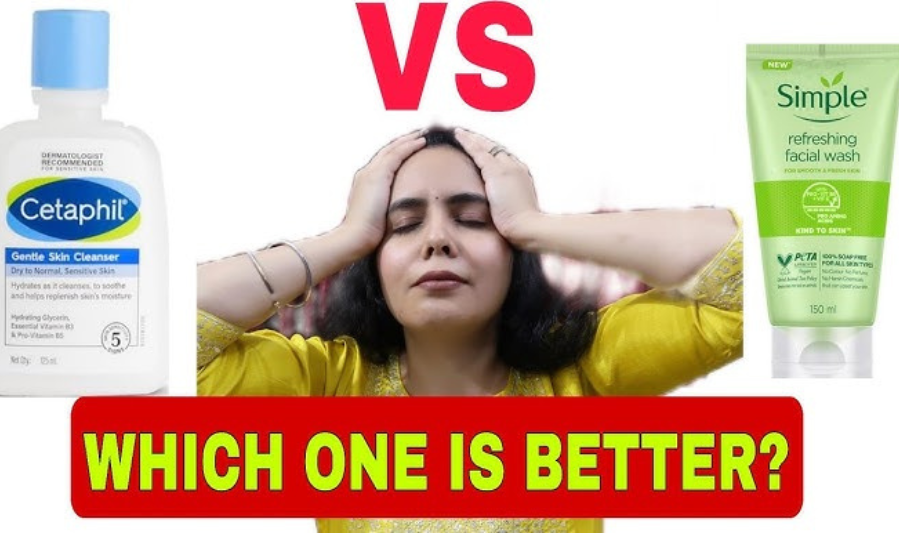
A gentle facial cleanser is a mild skincare product designed to remove dirt, oil, makeup, and environmental impurities without stripping the skin of its natural oils. Its primary purpose is to cleanse effectively while maintaining the skin’s protective barrier and overall hydration.
How It Differs from Regular or Harsh Cleansers
Mild Formulation vs. Aggressive Cleansing
Unlike harsh cleansers that contain strong surfactants or high concentrations of alcohol, gentle cleansers use mild, skin-friendly ingredients that minimize irritation. They produce less foaming, avoid over-drying, and focus on maintaining the skin’s natural pH, making them suitable for everyday use.
Why It’s Suitable for Sensitive or Delicate Skin
Reducing Irritation and Protecting the Barrier
Sensitive or delicate skin can react to aggressive cleansers with redness, dryness, or itchiness. Gentle facial cleansers minimize these risks by using soothing ingredients, avoiding harsh chemicals, and supporting the skin’s natural barrier, allowing sensitive skin types to cleanse safely without compromising comfort or health.
Benefits of Using Gentle Facial Cleansers

Hydration and Softness
Keeping Skin Moisturized While Cleansing
Gentle facial cleansers help maintain the skin’s natural moisture levels. Unlike harsh cleansers that strip away essential oils, mild formulations leave skin feeling soft, smooth, and hydrated after each wash, making daily cleansing comfortable and effective.
Maintaining the Skin’s Natural Barrier
Protecting Against Environmental Stressors
The skin’s barrier is essential for locking in moisture and defending against pollution, bacteria, and irritants. Gentle cleansers preserve this barrier, preventing dryness, flakiness, and long-term damage while keeping skin healthy and resilient.
Reducing Redness, Irritation, and Sensitivity
Soothing Skin During Cleansing
Sensitive skin often reacts to aggressive cleansers with redness, stinging, or itchiness. Gentle cleansers minimize these reactions by avoiding harsh chemicals and including calming ingredients, making them suitable for delicate or reactive skin types.
Preventing Breakouts and Over-Drying
Balancing Oil and Hydration
Overly harsh cleansers can strip the skin, prompting it to overproduce oil and potentially trigger breakouts. Gentle cleansers clean effectively without causing over-drying or oil imbalances, helping to reduce acne flare-ups and maintain overall skin balance.
Harmful Ingredients to Avoid
Sulfates (SLS/SLES)
Strong Cleansing Agents That Can Strip Skin
Sulfates, such as sodium lauryl sulfate (SLS) and sodium laureth sulfate (SLES), are commonly used to create foam and remove oil. While effective cleansers, they can strip the skin of natural oils, leaving it dry, irritated, and more prone to sensitivity, especially for delicate skin types.
Artificial Fragrances and Dyes
Potential Irritants Hidden in Labels
Synthetic fragrances and colorants are added to enhance product scent and appearance. However, they often contain allergens or irritants that can cause redness, itching, or allergic reactions. Clean, gentle cleansers avoid these additives to protect sensitive skin.
Parabens and Phthalates
Preservatives and Chemicals Linked to Health Concerns
Parabens are used to extend product shelf life, while phthalates often help fragrances last longer. Both have been linked to hormonal disruption and other health concerns. Gentle, clean skincare formulations eliminate these chemicals to minimize potential risks.
Harsh Alcohols That Dry Out the Skin
Disruptors of Skin Hydration
Some alcohols, like denatured alcohol, ethanol, and isopropyl alcohol, are used to improve texture or absorption. While they may feel lightweight, they can over-dry the skin and weaken the skin barrier. Gentle cleansers avoid these, using hydrating or barrier-supporting alternatives instead.
Key Ingredients in Gentle Facial Cleansers
Soothing and Hydrating Ingredients
Aloe Vera
Aloe vera is well-known for its soothing and anti-inflammatory properties. It calms redness, irritation, and sun exposure effects while providing lightweight hydration, making it ideal for sensitive skin.
Chamomile
Chamomile contains natural anti-inflammatory compounds that help reduce redness, irritation, and sensitivity. It also soothes stressed or reactive skin during cleansing.
Glycerin
Glycerin is a powerful humectant that draws water into the skin, keeping it hydrated even while impurities are removed. It helps maintain softness and smoothness without leaving a greasy residue.
Oat Extract
Oat extract is rich in antioxidants and anti-inflammatory compounds. It helps strengthen the skin barrier, soothes irritation, and provides gentle cleansing suitable for delicate skin types.
Nourishing Oils
Coconut Oil
Coconut oil gently cleanses while nourishing the skin with fatty acids. It helps maintain moisture, improve softness, and protect against dryness.
Jojoba Oil
Jojoba oil closely mimics the skin’s natural sebum. It balances oil production, hydrates without clogging pores, and supports a healthy, smooth complexion.
Vitamins for Skin Repair and Hydration
Vitamin E
Vitamin E is a potent antioxidant that protects skin from free radical damage, supports barrier repair, and keeps skin hydrated and resilient.
Vitamin B5 (Panthenol)
Vitamin B5 helps retain moisture, accelerates skin repair, and soothes irritation, making it an excellent ingredient for sensitive or stressed skin.
Choosing the Right Gentle Cleanser for Your Skin Type
Dry Skin
Focus on Hydration and Barrier Support
Dry skin benefits from creamy or lotion-based gentle cleansers that include humectants like glycerin and soothing oils such as jojoba or coconut oil. These ingredients cleanse without stripping moisture, leaving the skin soft and hydrated.
Oily Skin
Lightweight, Oil-Balancing Formulas
Oily skin does well with gel-based or foaming gentle cleansers that remove excess sebum while preserving the skin’s barrier. Look for ingredients like aloe vera or salicylic acid that control oil without over-drying.
Combination Skin
Balancing Different Areas
Combination skin requires a cleanser that hydrates dry areas and controls oil in the T-zone. Gel-cream cleansers or layered cleansing routines (mild cleanser + lightweight moisturizer) work well to maintain overall balance.
Sensitive Skin
Calming and Non-Irritating Ingredients
Sensitive skin needs hypoallergenic, fragrance-free cleansers with soothing ingredients like chamomile, oat extract, or aloe vera. Avoid harsh surfactants, synthetic fragrances, and alcohols that can trigger redness or irritation.
Acne-Prone Skin
Gentle Cleansing Without Aggravating Breakouts
Acne-prone skin benefits from non-comedogenic, gentle cleansers that cleanse without stripping. Ingredients such as niacinamide, tea tree oil (in low concentrations), or mild exfoliating acids can help reduce breakouts while maintaining hydration.
You may also like to read these posts:
Top Beginner Tech Tutorials for Learning Technology Fast
Complete Step-by-Step Tool Guide for Beginners
Best AI Productivity Tools for Beginners and Professionals
Clean & Pure Face Moisturizer for Smooth, Healthy Glow
How to Use a Gentle Facial Cleanser Properly
Correct Water Temperature
Lukewarm Water for Optimal Cleansing
Use lukewarm water when cleansing your face. Hot water can strip the skin of natural oils, causing dryness and irritation, while cold water may not effectively remove dirt and impurities. Lukewarm water ensures gentle cleansing without compromising the skin barrier.
Massage Technique and Duration
Gentle Circular Motions for 30–60 Seconds
Apply a small amount of cleanser to damp skin and massage using gentle circular motions. Focus on areas prone to oil or buildup, such as the T-zone. Avoid scrubbing harshly—30–60 seconds is sufficient to cleanse thoroughly without irritating the skin.
Rinsing and Drying Tips
Rinse Completely and Pat Dry
Rinse your face thoroughly with lukewarm water to remove all cleanser residue. Pat your skin dry with a soft, clean towel instead of rubbing, which can irritate or stretch delicate skin.
Following Up with Moisturizer or Toner
Lock in Hydration and Support Skin Health
After cleansing, follow up with a gentle toner or clean moisturizer to restore hydration and reinforce the skin barrier. This step ensures the skin remains balanced, soft, and ready to absorb any treatment products applied afterward.
Faqs:
What is a gentle facial cleanser?
A gentle facial cleanser is a mild face wash that removes dirt, oil, and impurities without stripping your skin of its natural moisture or causing irritation.
Who should use a gentle facial cleanser?
Everyone can benefit, but they are especially helpful for sensitive, dry, or acne-prone skin. They’re safe for daily use and maintain your skin’s natural balance.
Can gentle cleansers help with acne?
Yes! Gentle cleansers remove excess oil and impurities without over-drying the skin, which can reduce irritation and help prevent breakouts.
How often should I use a gentle facial cleanser?
For most skin types, twice a day—morning and night—is ideal. Adjust based on your skin’s needs and environmental factors.
Are gentle cleansers less effective than regular cleansers?
Not at all! They clean your skin effectively while protecting its natural barrier. The “gentle” formulation simply avoids harsh chemicals that can irritate or dry out your skin.
Conclusion
A gentle facial cleanser is the foundation of healthy, soft, and glowing skin. By choosing a cleanser that removes impurities without harsh chemicals, you protect your skin’s natural barrier, prevent irritation, and maintain long-term hydration. Gentle cleansing isn’t just for sensitive skin—it’s a smart choice for everyone who wants skin that feels clean, calm, and nourished every day. Make gentle cleansing a part of your daily routine and enjoy naturally radiant skin.