
Introduction
Growing Awareness of Ethical Beauty
Why More People Are Choosing Cruelty-Free
Consumers are becoming increasingly conscious of the environmental and ethical impact of their beauty choices. Cruelty-free skincare is gaining popularity as people look for products that are kind to animals and the planet.
Importance of Cruelty-Free Skincare
Good for Your Skin and the Environment
Cruelty-free products often focus on natural, gentle ingredients that are safe for sensitive skin. They also reduce harm to animals and support sustainable practices, benefiting the environment overall.
What You Will Learn
Top Ingredients and Their Benefits
In this guide, you’ll discover the best cruelty-free ingredients, how they work for your skin, and why choosing ethical products is better for your health and the planet.
What Does “Cruelty-Free” Mean?
Definition of Cruelty-Free Skincare
Products Not Tested on Animals
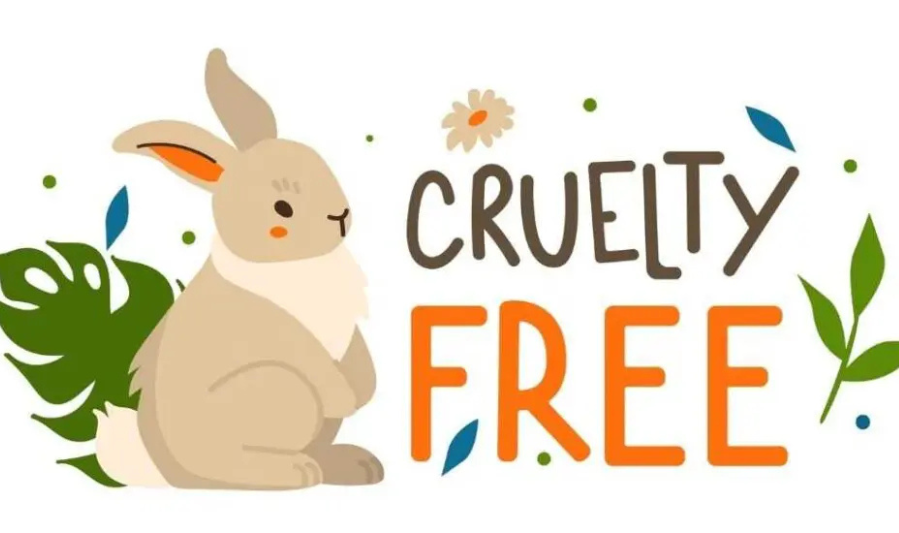
Cruelty-free skincare refers to products and ingredients that have never been tested on animals at any stage of production. This ensures ethical practices while still providing safe and effective skincare.
Difference Between Cruelty-Free, Vegan, and Natural
Understanding the Labels
- Cruelty-Free: No animal testing.
- Vegan: Contains no animal-derived ingredients, such as beeswax or lanolin.
- Natural: Made primarily from plant-based or naturally sourced ingredients, though not necessarily cruelty-free.
Trusted Certifications
Look for Verified Labels
Certifications like Leaping Bunny, PETA, and Choose Cruelty-Free (CCF) confirm that products meet strict cruelty-free standards. These labels make it easier for consumers to identify ethical skincare products.
Top Cruelty-Free Skincare Ingredients and Their Benefits
Aloe Vera
Soothes Irritation, Hydrates, Anti-Inflammatory
Aloe vera calms redness, reduces inflammation, and provides lightweight hydration, making it ideal for sensitive or irritated skin.
Coconut Oil
Moisturizing, Antibacterial, Barrier Protection
Coconut oil deeply nourishes the skin, helps strengthen the skin barrier, and has natural antibacterial properties, protecting against minor irritations.
Shea Butter
Hydration, Skin Repair, Vitamin-Rich
Rich in vitamins A and E, shea butter moisturizes dry skin, supports barrier repair, and improves overall skin texture.
Jojoba Oil
Balances Sebum and Softens Skin
Jojoba oil mimics the skin’s natural sebum, helping regulate oil production while keeping the skin soft, smooth, and hydrated.
Green Tea Extract
Antioxidants, Reduces Inflammation, Anti-Aging
Green tea extract protects against free radicals, soothes inflammation, and can help reduce signs of aging over time.
Rosehip Oil
Regenerates Skin, Brightening, Scar Reduction
Rosehip oil promotes skin regeneration, evens skin tone, and helps fade scars, fine lines, and hyperpigmentation naturally.
Chamomile Extract
Soothing, Calming, Gentle for Sensitive Skin
Chamomile is ideal for sensitive skin—it reduces redness, calms irritation, and provides gentle hydration.
Optional Ingredients
- Argan Oil – nourishes and softens skin, rich in antioxidants.
- Calendula – promotes healing and reduces inflammation.
- Cucumber Extract – cools and hydrates, reduces puffiness.
- Hyaluronic Acid – hydrates deeply and supports the skin barrier.
Why Choose Cruelty-Free Skincare?
Ethical and Compassionate Choice
Protecting Animals from Harm
Cruelty-free skincare ensures that no animals are tested on during product development. Choosing these products supports ethical beauty practices and reduces animal suffering.
Safer for Sensitive Skin
Often Uses Natural, Gentle Ingredients
Many cruelty-free brands focus on plant-based and non-toxic ingredients, which are less likely to irritate sensitive skin compared to harsh chemicals found in conventional products.
Supports Environmentally Sustainable Practices
Kind to the Planet
Cruelty-free brands often embrace eco-friendly sourcing, packaging, and sustainable practices, reducing environmental impact while promoting responsible beauty.
Encourages Brands to Prioritize Ethics
Promotes Positive Change in the Industry
By choosing cruelty-free products, consumers influence brands to value ethics over profit, creating a ripple effect toward more humane and sustainable beauty practices.
Ingredients to Avoid in Cruelty-Free Skincare
Animal-Derived Ingredients Tested on Animals
Avoid Ingredients That Have Harmed Animals
Even if a product claims to be cruelty-free, some animal-derived ingredients (like certain lanolin, gelatin, or collagen sources) may have been tested on animals elsewhere in the supply chain. Always check for verified cruelty-free certifications.
Harsh Chemicals
Non-Toxic Doesn’t Always Mean Gentle
Some cruelty-free products may still contain synthetic preservatives, sulfates, or strong alcohols that can irritate sensitive skin. Read labels carefully to avoid potential triggers.
Fragrances or Dyes
Can Cause Irritation and Allergic Reactions
Artificial fragrances and colorants can lead to redness, itching, or flare-ups, especially in sensitive or reactive skin types. Look for fragrance-free or naturally scented alternatives.
You may also like to read these posts:
Complete Step-by-Step Tool Guide for Beginners
Best AI Productivity Tools for Beginners and Professionals
Clean & Pure Face Moisturizer for Smooth, Healthy Glow
Skincare Tips for Dry Skin: How to Keep Your Skin Hydrated and Glowing
How Cruelty-Free Ingredients Work
Hydration and Skin Barrier Repair
Strengthen and Protect Skin Naturally
Ingredients like jojoba oil, shea butter, and coconut oil deeply hydrate the skin while repairing the protective barrier. A strong barrier locks in moisture and shields skin from external irritants.
Reducing Inflammation and Redness
Calm and Soothe Irritated Skin
Soothing extracts such as aloe vera, chamomile, and green tea reduce redness, irritation, and inflammation, making them ideal for sensitive or reactive skin.
Protecting Skin from Environmental Damage
Antioxidant-Rich Ingredients for Defense
Ingredients like green tea extract, rosehip oil, and argan oil neutralize free radicals, protecting the skin from pollution, UV damage, and premature aging.
Supporting Natural Healing and Regeneration
Promote Skin Recovery and Resilience
Rosehip oil, calendula, and shea butter encourage skin regeneration and repair, helping damaged or irritated skin recover faster while maintaining long-term health.
Faqs:
What are cruelty-free skincare ingredients?
Cruelty-free skincare ingredients are natural or safe synthetic components that have not been tested on animals at any stage of development.
Is cruelty-free skincare safe for sensitive skin?
Yes! Many cruelty-free ingredients, like aloe vera, chamomile, and jojoba oil, are gentle, soothing, and ideal for sensitive or reactive skin.
How can I identify truly cruelty-free products?
Look for certifications like Leaping Bunny, PETA’s Beauty Without Bunnies, or Choose Cruelty-Free (CCF), and always read ingredient labels carefully.
Can cruelty-free ingredients help with acne or skin repair?
Absolutely. Ingredients like green tea extract, rosehip oil, and shea butter nourish the skin, reduce inflammation, and promote natural healing without animal testing.
Are all vegan skincare products cruelty-free?
Not necessarily. Vegan products avoid animal-derived ingredients, but some may still be tested on animals. Always check for cruelty-free certifications to be sure.
Conclusion
Cruelty-free skincare ingredients allow you to care for your skin ethically and effectively. Ingredients like aloe vera, shea butter, rosehip oil, and green tea extract not only nourish, hydrate, and repair your skin but also ensure that no animals are harmed in the process.
By choosing cruelty-free products, you’re making a positive impact on your skin, animals, and the environment. Ethical beauty doesn’t mean compromising on results—it means glowing, healthy skin while supporting a more compassionate world.