
Introduction
Understanding Sensitive Skin
Common Issues: Redness, Irritation, and Dryness
Sensitive skin reacts easily to environmental factors, harsh chemicals, and certain skincare products. Redness, irritation, and dryness are the most common concerns, making it essential to choose products carefully.
Importance of Gentle and Effective Ingredients
Protect Your Skin Without Compromise
Using mild, non-toxic, and nourishing ingredients helps calm inflammation, strengthen the skin barrier, and prevent long-term damage—without sacrificing results.
What You Will Learn
Tips and Ingredients for Healthy Sensitive Skin
In this guide, you’ll discover the best ingredients, product selection tips, and practical routines to protect and nurture sensitive skin safely.
What Causes Sensitive Skin?
Weak Skin Barrier
How It Affects Your Skin
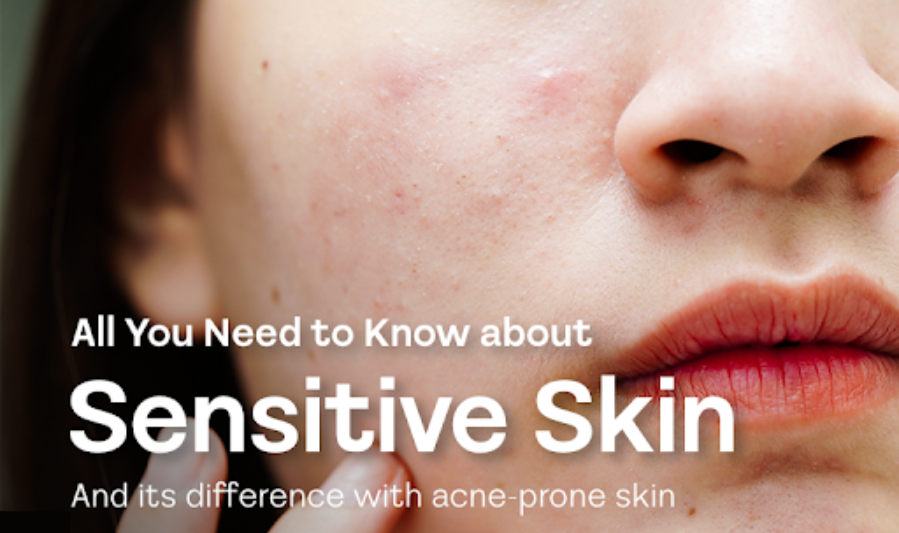
The skin barrier protects against irritants, allergens, and moisture loss. When it’s weak, skin becomes more prone to redness, dryness, and irritation.
Environmental Triggers
Pollution, Sun, and Extreme Weather
External factors like pollution, UV exposure, cold wind, and extreme heat can aggravate sensitive skin, leading to flare-ups and discomfort.
Irritation from Skincare Products
Chemicals, Fragrances, and Harsh Cleansers
Many conventional products contain parabens, sulfates, synthetic fragrances, and alcohols that strip or irritate the skin, triggering sensitivity.
Genetic Factors and Skin Conditions
Eczema, Rosacea, and Hereditary Sensitivity
Some people are naturally predisposed to sensitive skin due to genetics or existing conditions like eczema and rosacea, which make the skin more reactive.
Top Soothing Ingredients for Sensitive Skin
Aloe Vera
Hydration, Calming, and Anti-Inflammatory
Aloe vera gel is lightweight and easily absorbed. It hydrates dry skin, reduces redness, and calms irritation thanks to its natural anti-inflammatory properties.
Chamomile Extract
Reduces Redness and Soothes Irritation
Chamomile contains flavonoids that calm sensitive skin, reduce redness, and relieve discomfort caused by irritation or environmental stressors.
Oat Extract / Colloidal Oatmeal
Barrier Protection and Itch Relief
Oat extracts strengthen the skin barrier, lock in moisture, and provide relief from itching and dryness. Perfect for eczema-prone skin.
Jojoba Oil
Balances Hydration and Mimics Natural Sebum
Jojoba oil closely resembles the skin’s natural oils, helping to regulate hydration without clogging pores, making it ideal for sensitive and combination skin.
Shea Butter
Deep Moisturizing and Skin Repair
Rich in fatty acids and vitamins, shea butter deeply nourishes the skin, supports barrier repair, and helps restore soft, smooth skin.
Calendula
Heals Irritation and Provides Anti-Inflammatory Benefits
Calendula extract promotes skin healing, soothes irritation, and reduces inflammation, making it excellent for sensitive or compromised skin.
Green Tea Extract
Antioxidant Protection and Anti-Inflammatory
Packed with antioxidants, green tea extract protects against environmental damage, reduces redness, and calms inflammation caused by UV exposure or pollutants.
Optional Ingredients
- Cucumber Extract – cooling and hydrating, reduces puffiness.
- Licorice Root – brightening and anti-inflammatory, soothes redness.
- Hyaluronic Acid – hydrates deeply without irritation, supports skin barrier function.
Ingredients to Avoid for Sensitive Skin
Parabens, Sulfates, and Phthalates
Why They Trigger Irritation
- Parabens are preservatives that can disrupt skin balance and sometimes cause allergic reactions.
- Sulfates (like SLS) strip natural oils, leaving skin dry and inflamed.
- Phthalates can weaken the skin barrier over time and trigger sensitivity.
Synthetic Fragrances and Dyes
Aggravate Redness and Allergies
Artificial fragrances and colorants often contain allergens or irritants. They can cause redness, itching, and flare-ups, especially in sensitive or eczema-prone skin.
Alcohol-Based Toners or Harsh Exfoliants
Drying and Damaging the Skin Barrier
High concentrations of alcohol can strip natural moisture, leaving skin tight and irritated. Similarly, harsh chemical or physical exfoliants can compromise the skin barrier, increasing vulnerability to environmental triggers.
How These Ingredients Work
Moisturization and Barrier Repair
Strengthen and Protect the Skin
Soothing ingredients like jojoba oil, shea butter, and oat extract deeply hydrate and reinforce the skin barrier. A strong barrier prevents moisture loss and shields sensitive skin from irritants.
Anti-Inflammatory and Antioxidant Effects
Calm Irritation and Fight Environmental Damage
Ingredients such as aloe vera, chamomile, calendula, and green tea extract reduce inflammation and redness. Antioxidants in green tea and licorice root protect skin from pollution, UV damage, and free radicals.
Reducing Redness, Itchiness, and Irritation
Immediate Soothing Benefits
Many natural extracts work to calm the skin quickly. Aloe vera and chamomile cool irritation, while oat extract relieves itchiness, giving sensitive skin relief from daily discomfort.
Supporting Skin’s Natural Healing Process
Encourage Recovery and Long-Term Health
Ingredients like calendula, rosehip oil, and shea butter not only soothe but also promote skin repair, helping the skin recover faster from irritation and build resilience over time.
Tips for a Sensitive Skin-Friendly Skincare Routine
Patch Testing New Products
Prevent Reactions Before Full Use
Always test new skincare on a small area, like the wrist or behind the ear. Wait 24–48 hours to check for redness, itching, or irritation before applying it to your face.
Using Gentle Cleansers and Minimal Active Ingredients
Keep Your Routine Simple
Choose mild, sulfate-free cleansers that do not strip natural oils. Avoid overloading your skin with multiple actives (like strong acids or retinoids) which can trigger sensitivity.
Daily Moisturization with Soothing Oils or Butters
Lock in Hydration and Strengthen Skin Barrier
Use non-comedogenic oils like jojoba or rich butters like shea butter to hydrate and protect your skin. Moisturizers help reduce dryness, redness, and irritation.
Mineral Sunscreen for Protection
Shield Your Skin Without Harsh Chemicals
Opt for sunscreens containing zinc oxide or titanium dioxide. Mineral sunscreens provide broad-spectrum protection and are less likely to irritate sensitive skin than chemical sunscreens.
Avoid Over-Exfoliation or Layering Too Many Products
Maintain a Calm and Balanced Routine
Limit exfoliation to 1–2 times per week with gentle exfoliants. Avoid layering multiple active ingredients at once to prevent irritation and compromise of the skin barrier.
You may also like to read these posts:
Complete Step-by-Step Tool Guide for Beginners
Best AI Productivity Tools for Beginners and Professionals
Clean & Pure Face Moisturizer for Smooth, Healthy Glow
Skincare Tips for Dry Skin: How to Keep Your Skin Hydrated and Glowing
DIY Skincare Ideas for Sensitive Skin (Optional)
Aloe Vera Cooling Gel for Irritation
Soothes Redness and Hydrates Skin
Extract fresh aloe vera gel and apply directly to irritated or sun-exposed areas. It cools the skin, reduces redness, and provides lightweight hydration without harsh chemicals.
Oatmeal and Honey Mask for Hydration and Soothing
Nourishes and Calms Sensitive Skin
Mix colloidal oatmeal with raw honey to create a gentle mask. Apply for 10–15 minutes to soothe irritation, lock in moisture, and relieve dryness or itching.
Chamomile Tea Toner for Calm and Refreshed Skin
Refreshes and Reduces Inflammation
Brew chamomile tea, let it cool, and apply to the face with a cotton pad. This natural toner calms redness, provides antioxidant benefits, and leaves skin feeling refreshed.
Faqs:
What are the best natural ingredients for sensitive skin?
Ingredients like aloe vera, chamomile, jojoba oil, shea butter, and green tea extract are gentle, soothing, and ideal for reducing irritation and redness.
Can sensitive skin use essential oils?
Some essential oils may be too strong and cause irritation. Always patch-test first and choose mild oils like lavender or chamomile in small amounts.
How can I strengthen my sensitive skin?
Using ingredients that moisturize, repair the skin barrier, and reduce inflammation—such as shea butter, jojoba oil, and oat extract—helps strengthen sensitive skin over time.
Are chemical-free products always safe for sensitive skin?
Not always. Even natural ingredients can trigger reactions in some people. Always check labels and do a patch test before applying a new product.
How often should sensitive skin be moisturized?
Sensitive skin benefits from daily, gentle hydration. Apply a soothing moisturizer or oil twice a day—morning and night—to maintain a healthy skin barrier.
Conclusion
Caring for sensitive skin requires gentle, soothing, and effective ingredients that calm irritation, restore hydration, and strengthen the skin barrier. Ingredients like aloe vera, chamomile, jojoba oil, and shea butter provide natural care while minimizing redness and discomfort.
By choosing products with these safe, nourishing ingredients and avoiding harsh chemicals, you can maintain healthy, calm, and radiant skin. Prioritizing gentle skincare isn’t just about comfort—it’s about building a strong, resilient skin barrier that keeps your skin happy every day.